

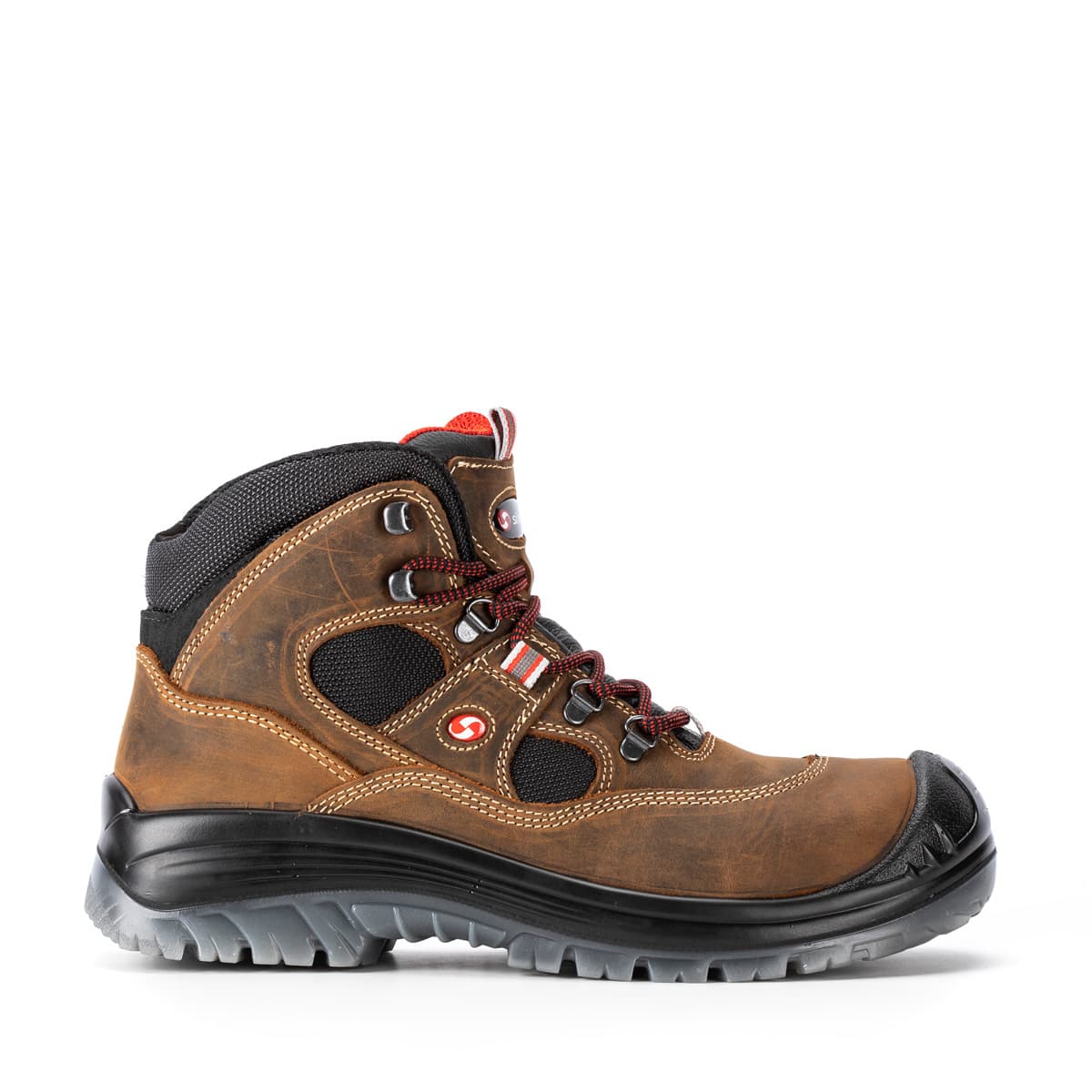

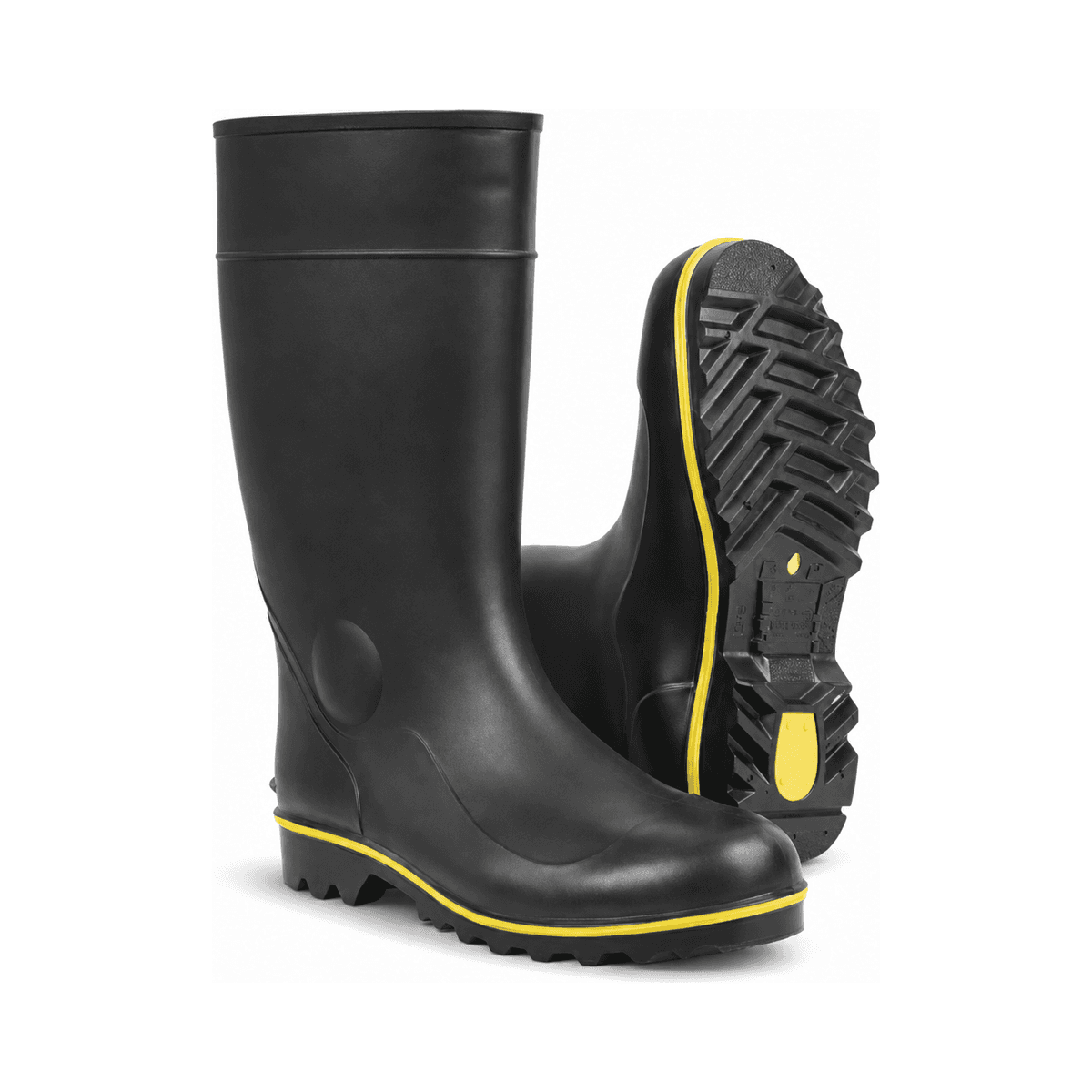

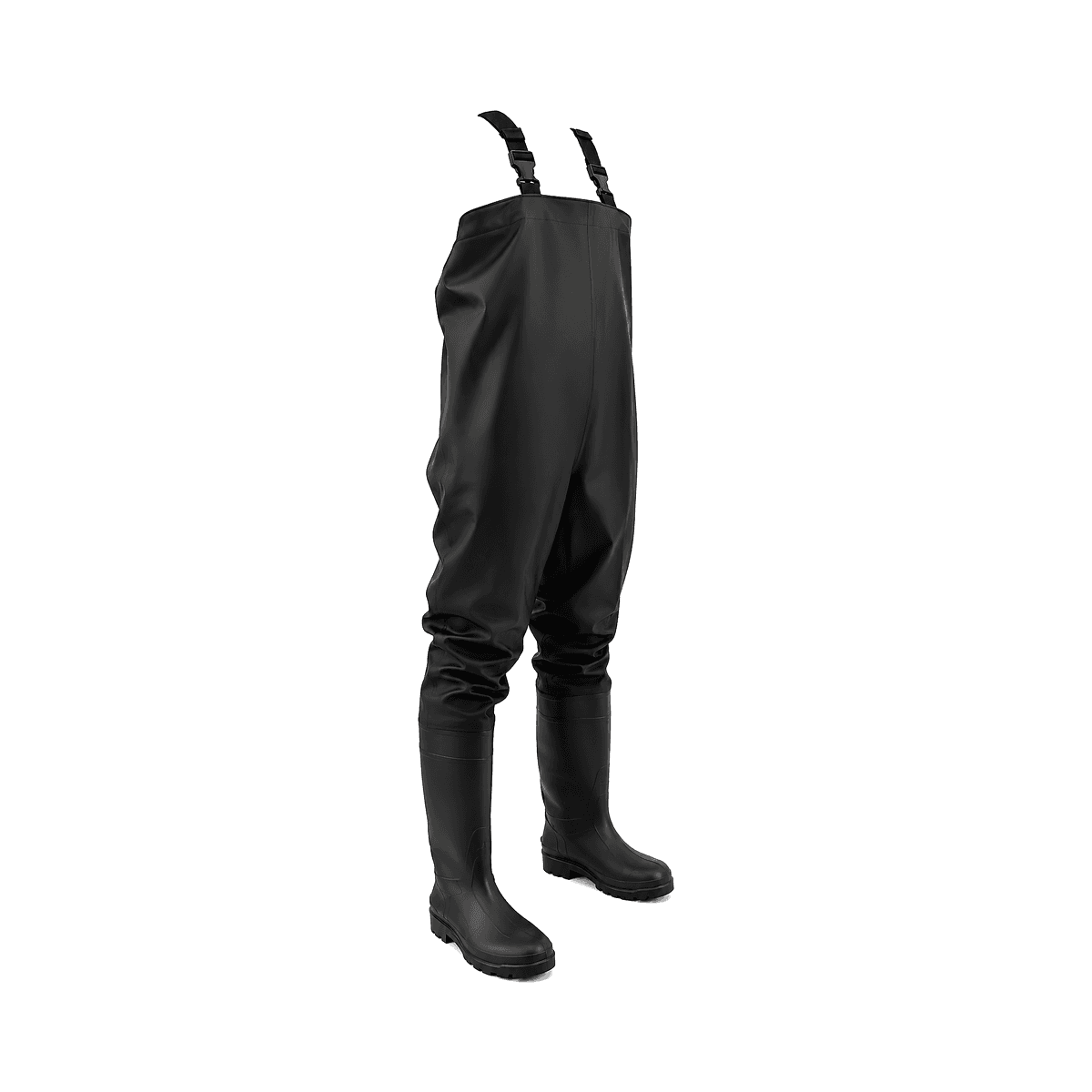
A dust explosion is often more destructive than a gas explosion — the first blast lifts dust settled on surfaces into the air and causes a second, far more powerful one. The EN 61241 series governs electrical apparatus for such environments.
What makes dust different from gas
- Dust settles and forms a layer that insulates equipment, impeding cooling — so the temperature limits are stricter.
- Equipment must be dust-tight (IP6X) or dust-protected (IP5X) depending on the zone.
- Ignition temperature is measured twice: for a dust cloud and for a 5 mm layer.
Typical environments
Grain elevators, flour milling, sugar refining, woodworking, coal handling, metal powders (aluminium, magnesium), plastic pellets and pharmaceutical production.
For PPE such environments impose a double requirement: antistatic clothing and gloves to prevent ignition, and respiratory protection (FFP2 at minimum, often FFP3) against inhaling the dust, which is an occupational disease risk in its own right.
Note that the EN 61241 series has largely been absorbed into the corresponding parts of EN 60079 — modern equipment is normally marked to EN 60079-0 and -31.