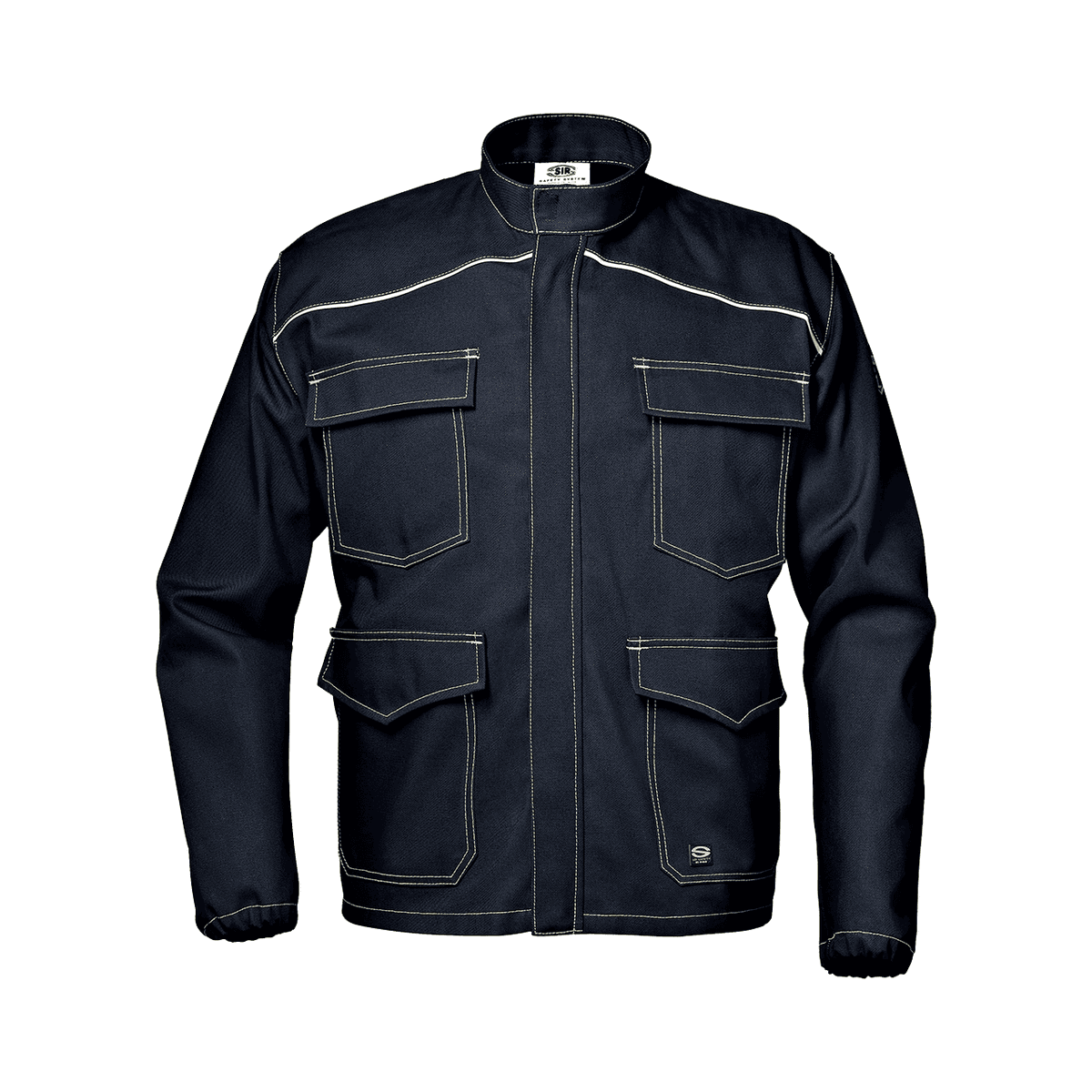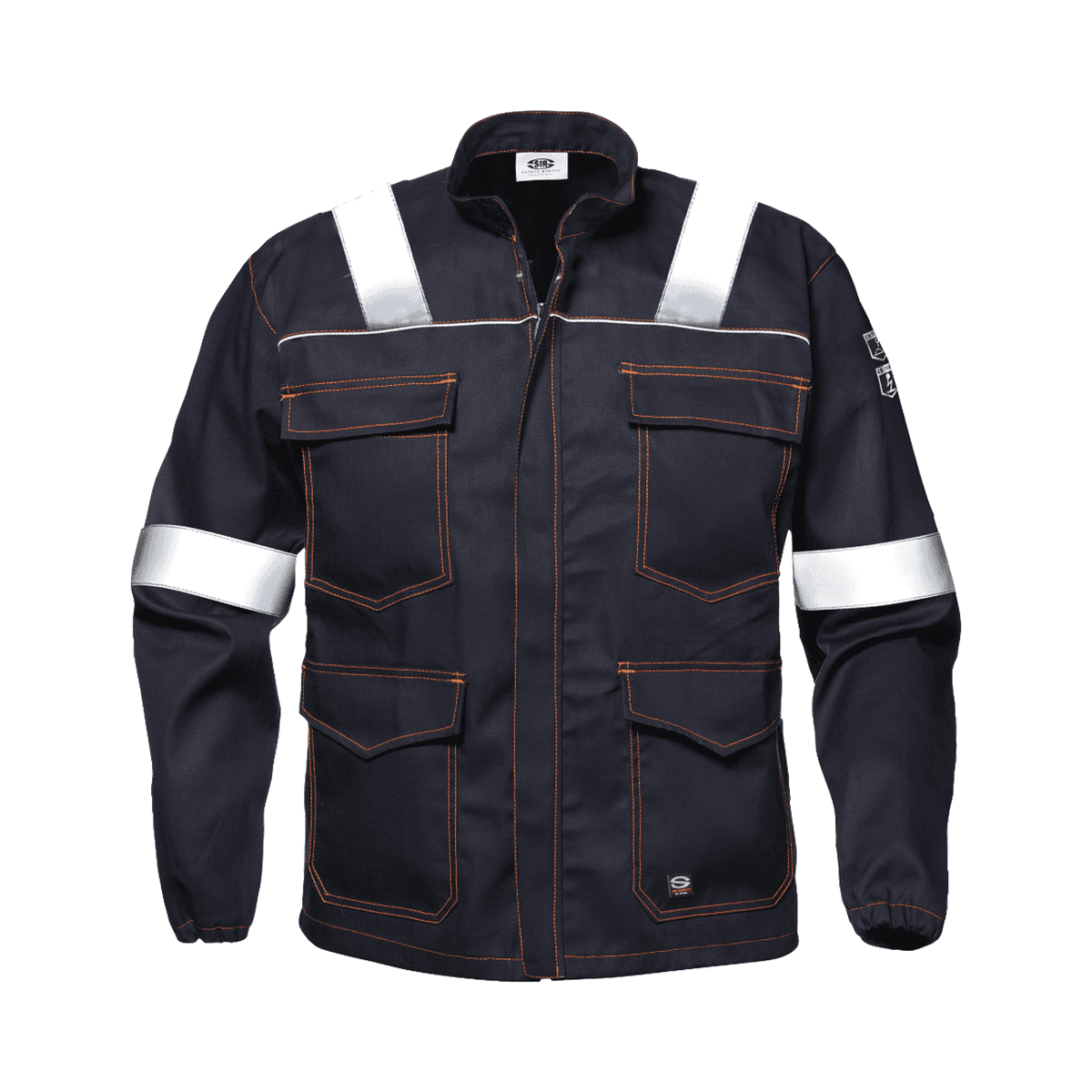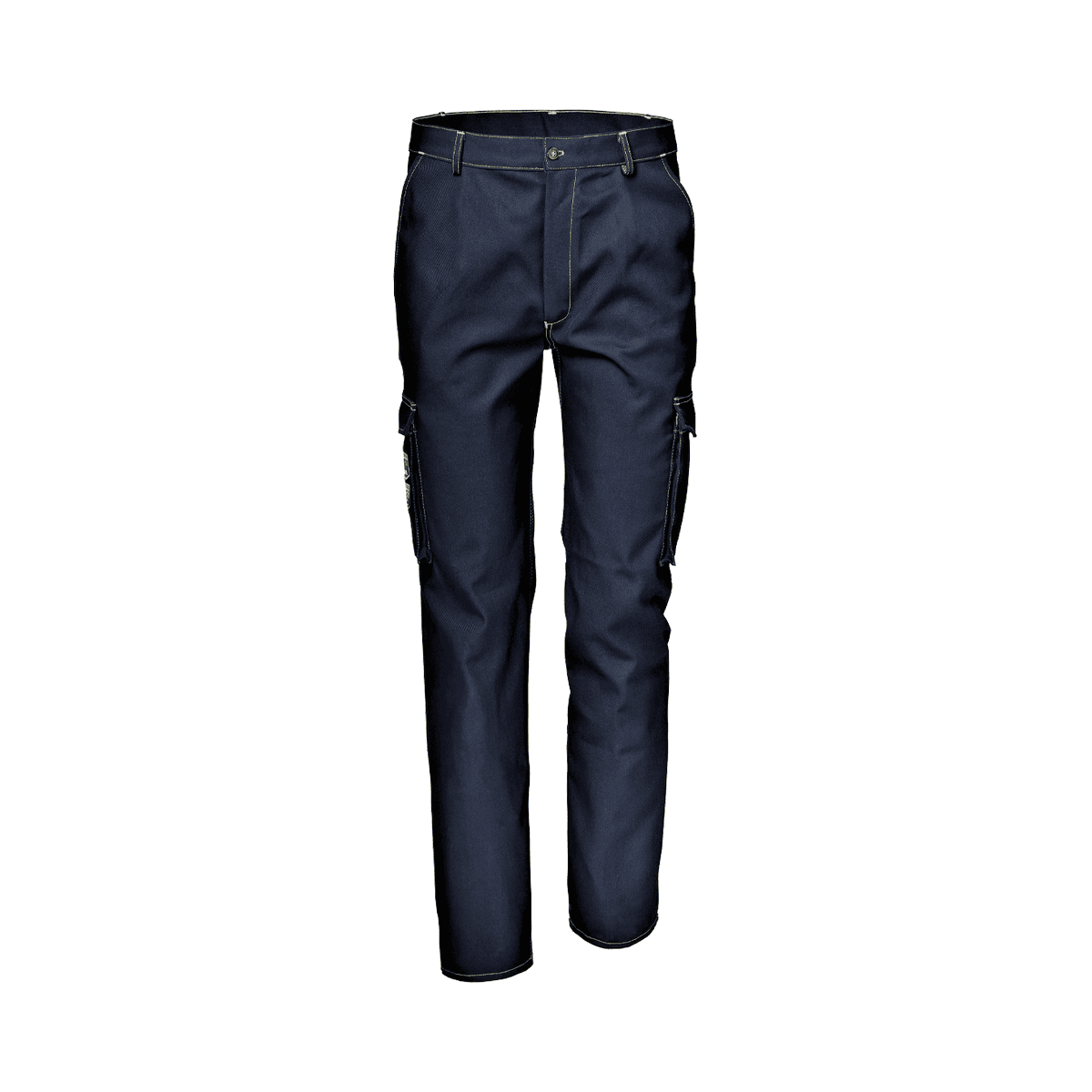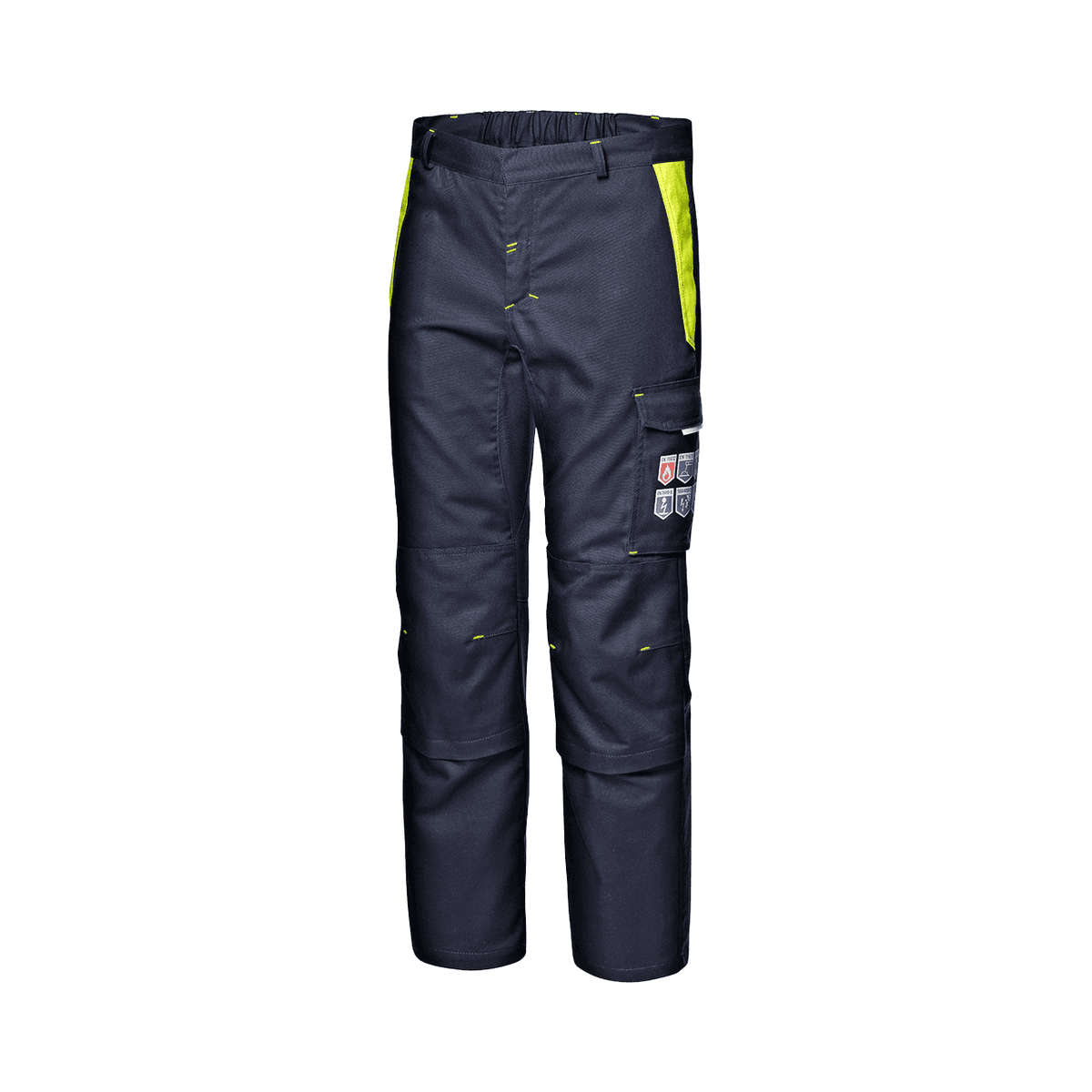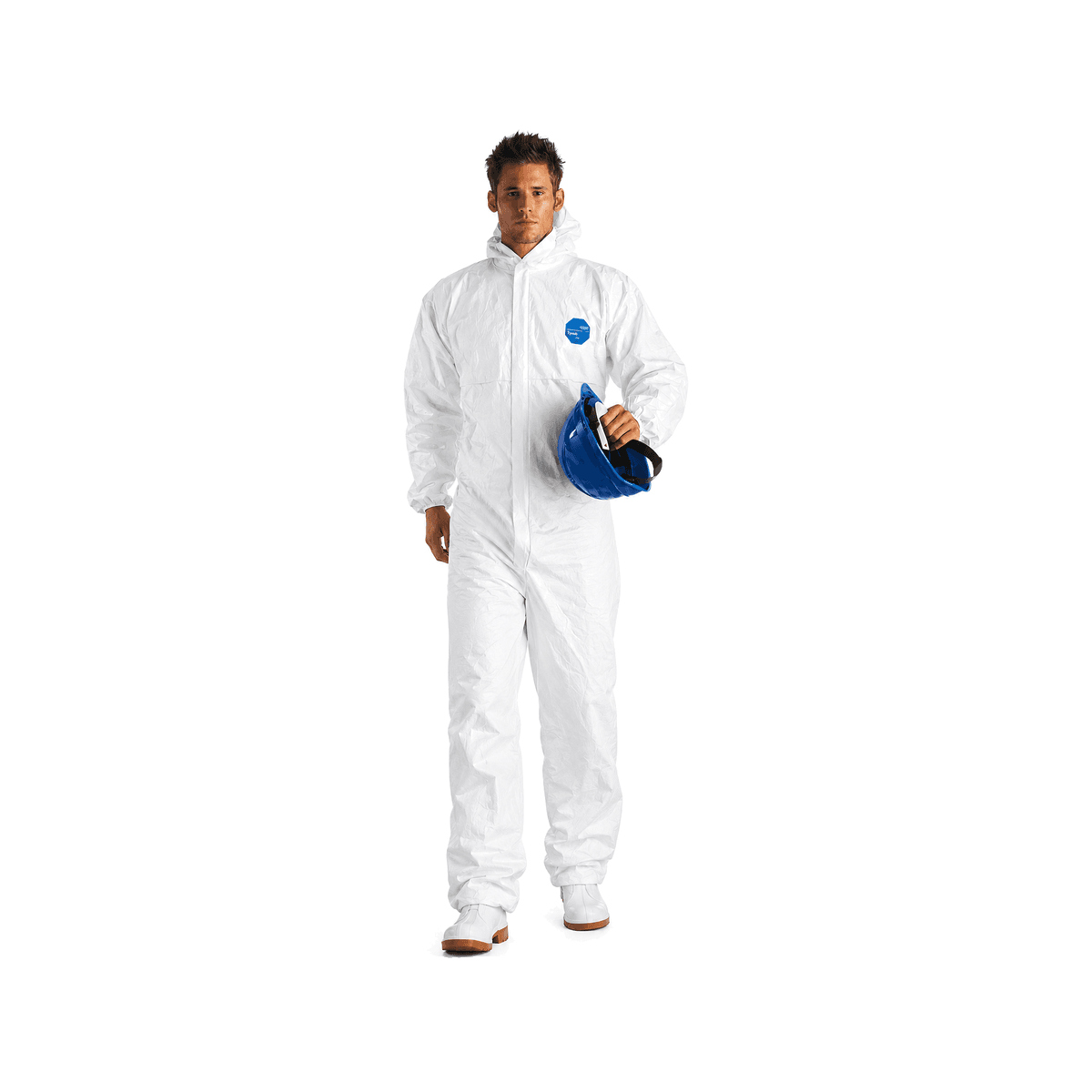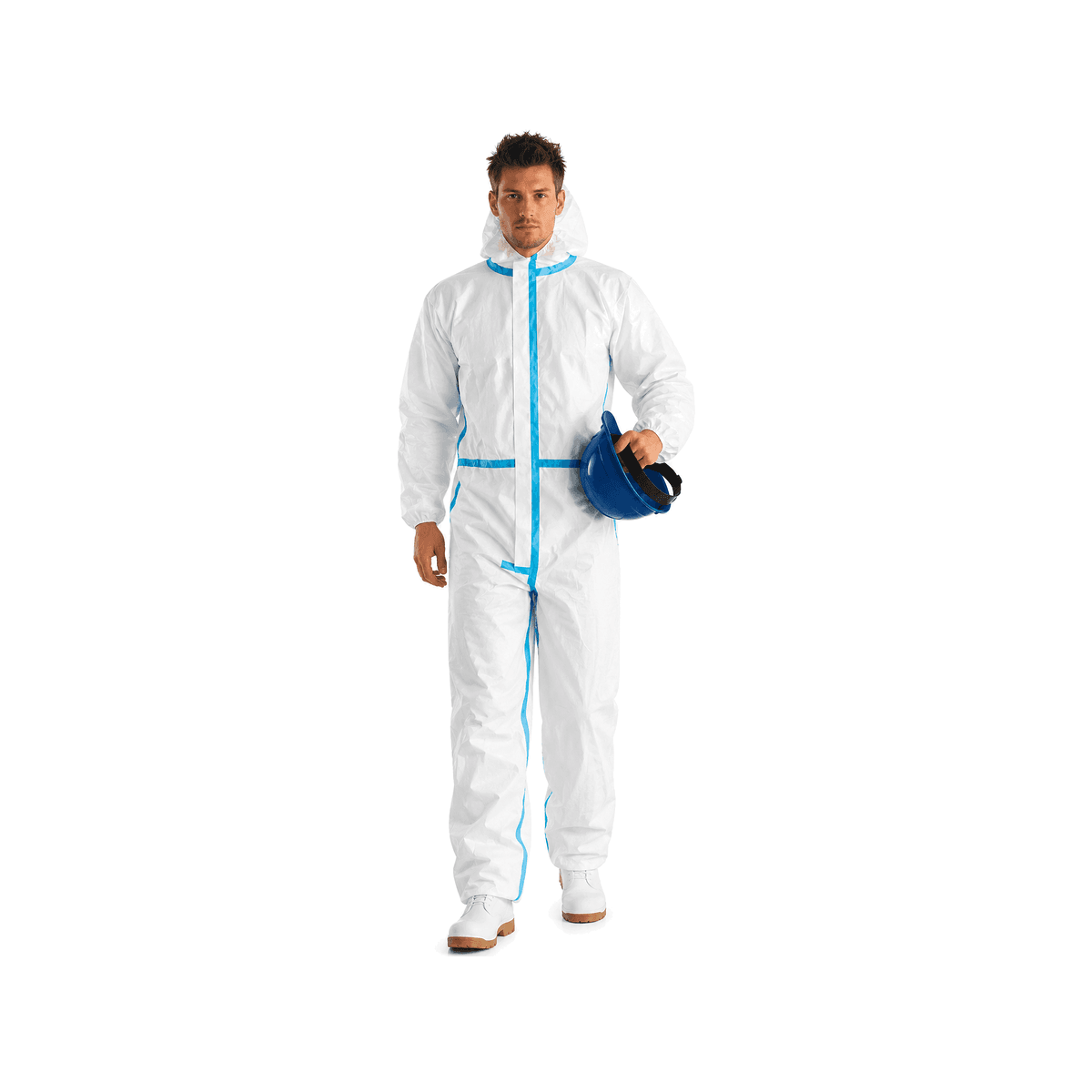
EN 1149-5 sets the material requirements for electrostatic dissipative clothing. Its purpose is to prevent incendive discharge: in an explosive atmosphere, a sudden discharge of static built up on clothing can be enough to ignite vapour, gas or dust.
Two possible tests
- EN 1149-1
- Surface resistivity — the material must conduct; suitable for fabrics containing metal fibre
- EN 1149-3
- Charge decay half-time — how quickly the charge dissipates; used for core-sheath fibres
The critical condition: the path to earth
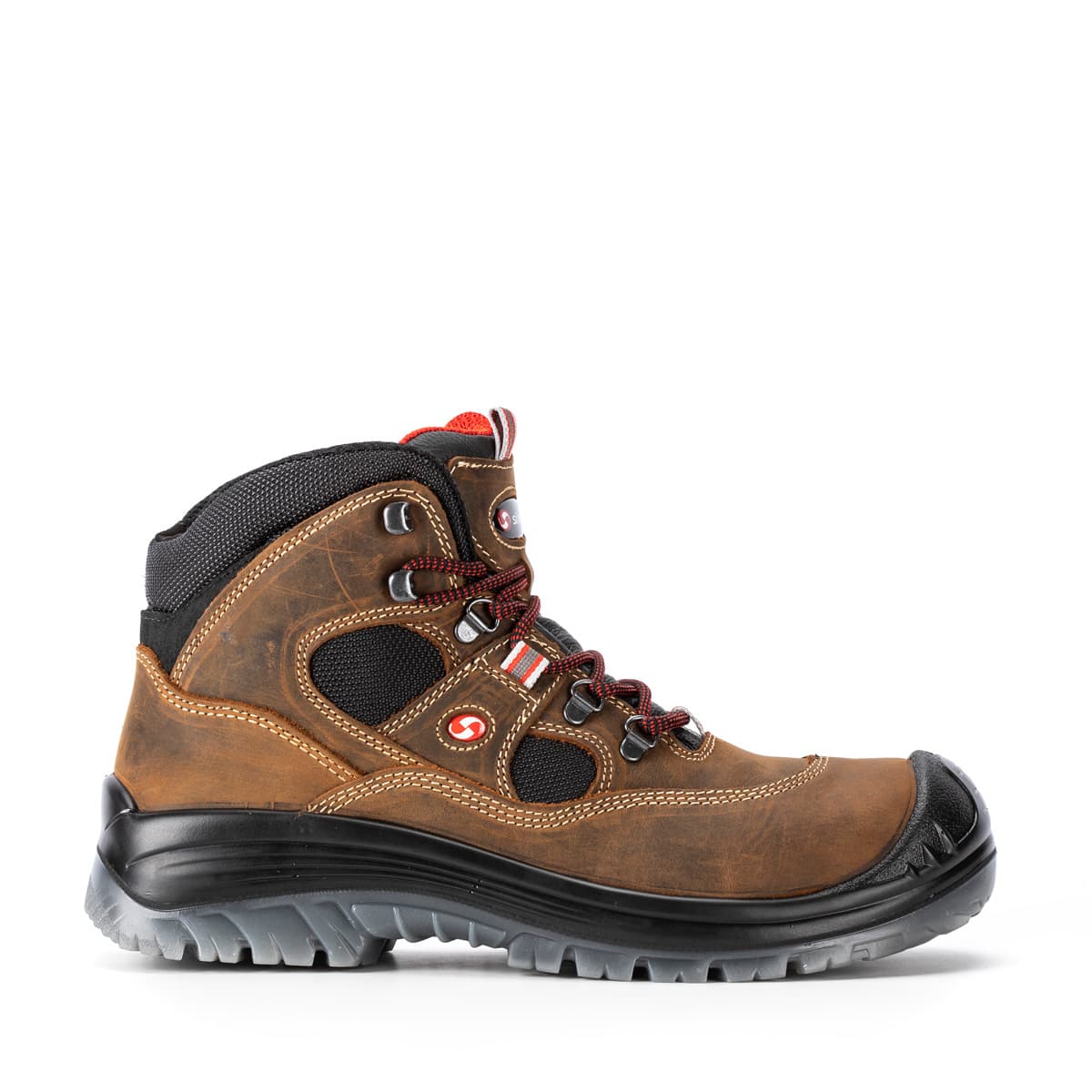
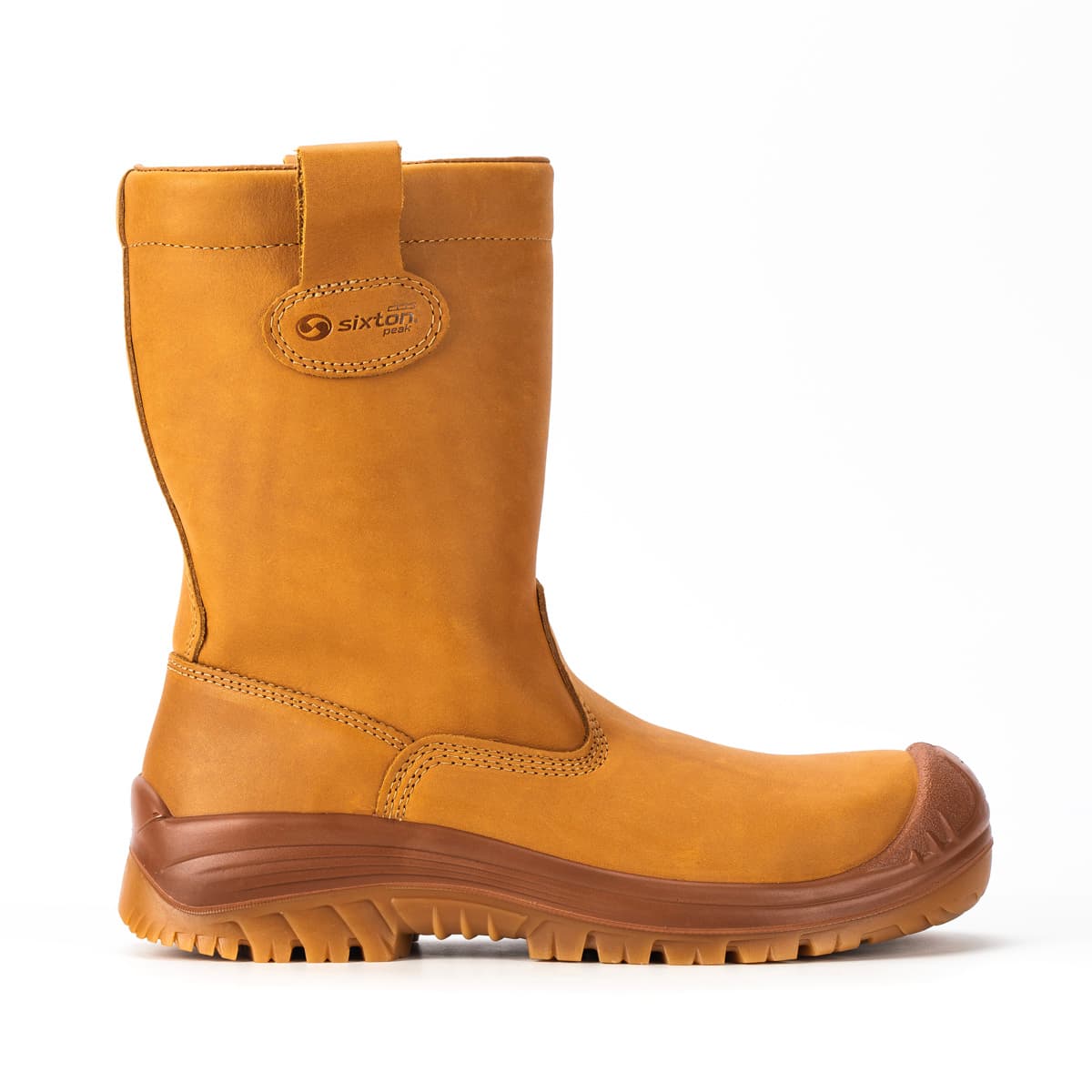
Antistatic clothing only works if the charge has a path to earth. That means three conditions at once: antistatic clothing, antistatic footwear (EN ISO 20345 marked A) and a conductive floor. Missing any one of them defeats the whole system.
Additional rules
- The garment must fully cover any non-antistatic layer beneath it — an open jacket exposing a polyester T-shirt defeats the protection.
- Removing clothing inside the hazardous area is prohibited — doffing generates a particularly high charge.
- Wash according to the label — some treatments destroy the antistatic property.
EN 1149-5 usually appears on multinorm clothing alongside EN ISO 11612 and EN 61482-2, because the same environments — oil, gas, chemicals — carry both risks.