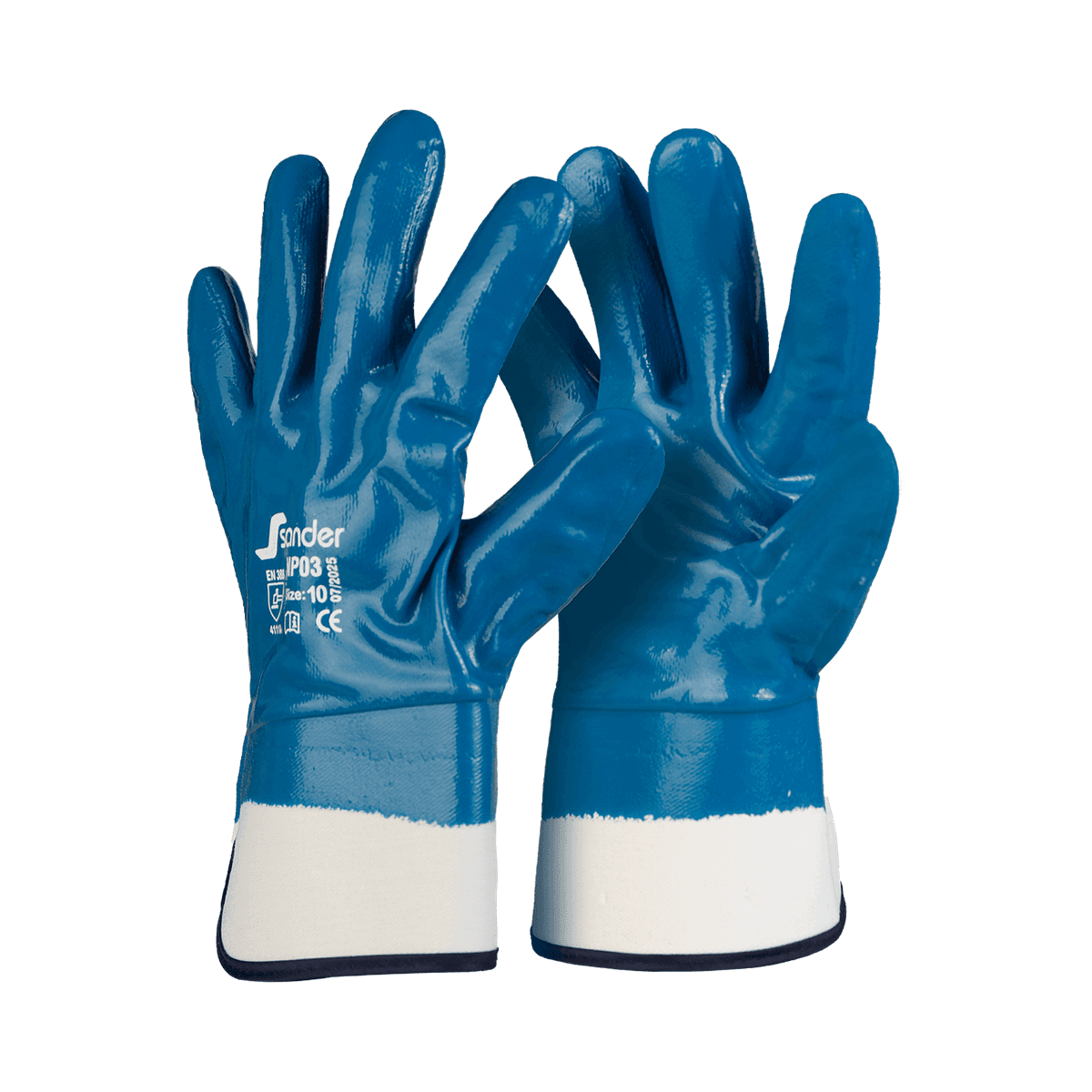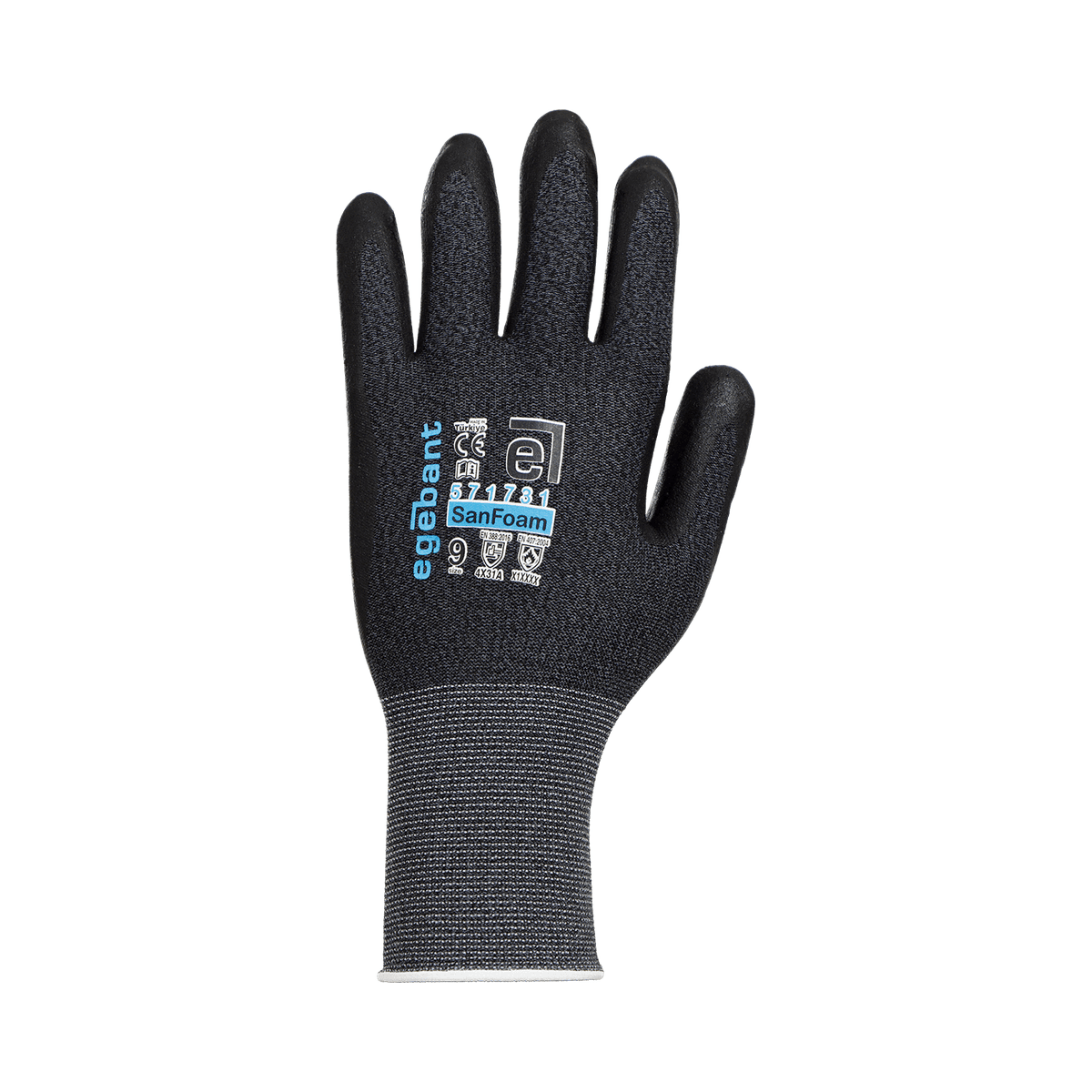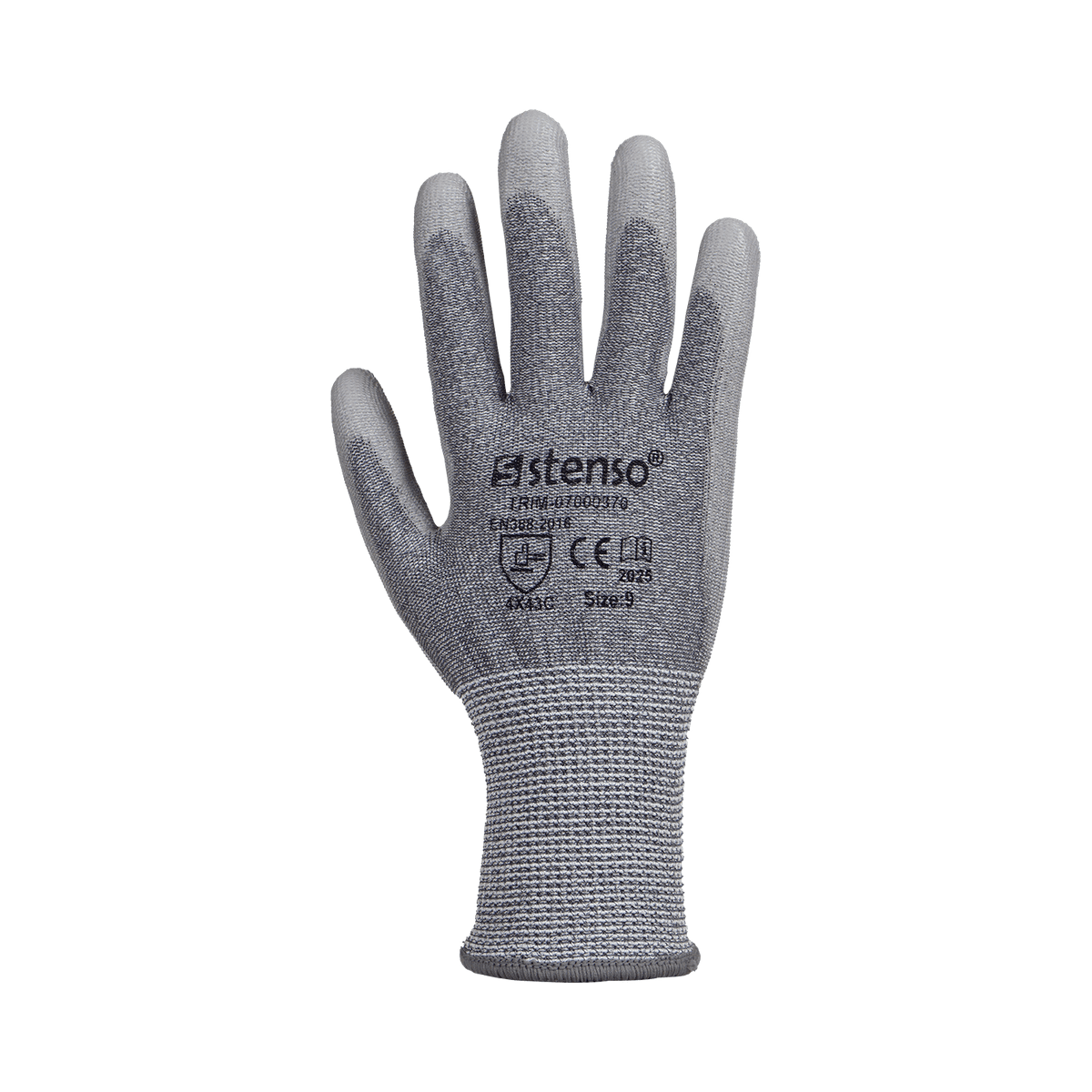
EN ISO 21420 is the horizontal standard every protective glove must meet before a risk-specific standard (EN 388, EN 407, EN ISO 374) is added. It replaced EN 420 in 2020.
What it requires
- Innocuousness — pH between 3.5 and 9.5, chromium (VI) below 3 mg/kg, restricted nickel release, DMFa below 1000 mg/kg, with PAHs and azo dyes controlled.
- Dexterity — the glove must allow the movements it is intended for, measured by a test picking up steel pins.
- Water vapour transmission — where the glove is not breathable, the manufacturer must declare it.
- Sizing — from 6 to 11, based on hand circumference and length.
The main change from EN 420
EN ISO 21420 dropped the separate dexterity levels (1–5) — meeting the minimum requirement is now enough. At the same time the limits on harmful substances were tightened and DMFa (dimethylformamide), found in PU-coated gloves, was added.
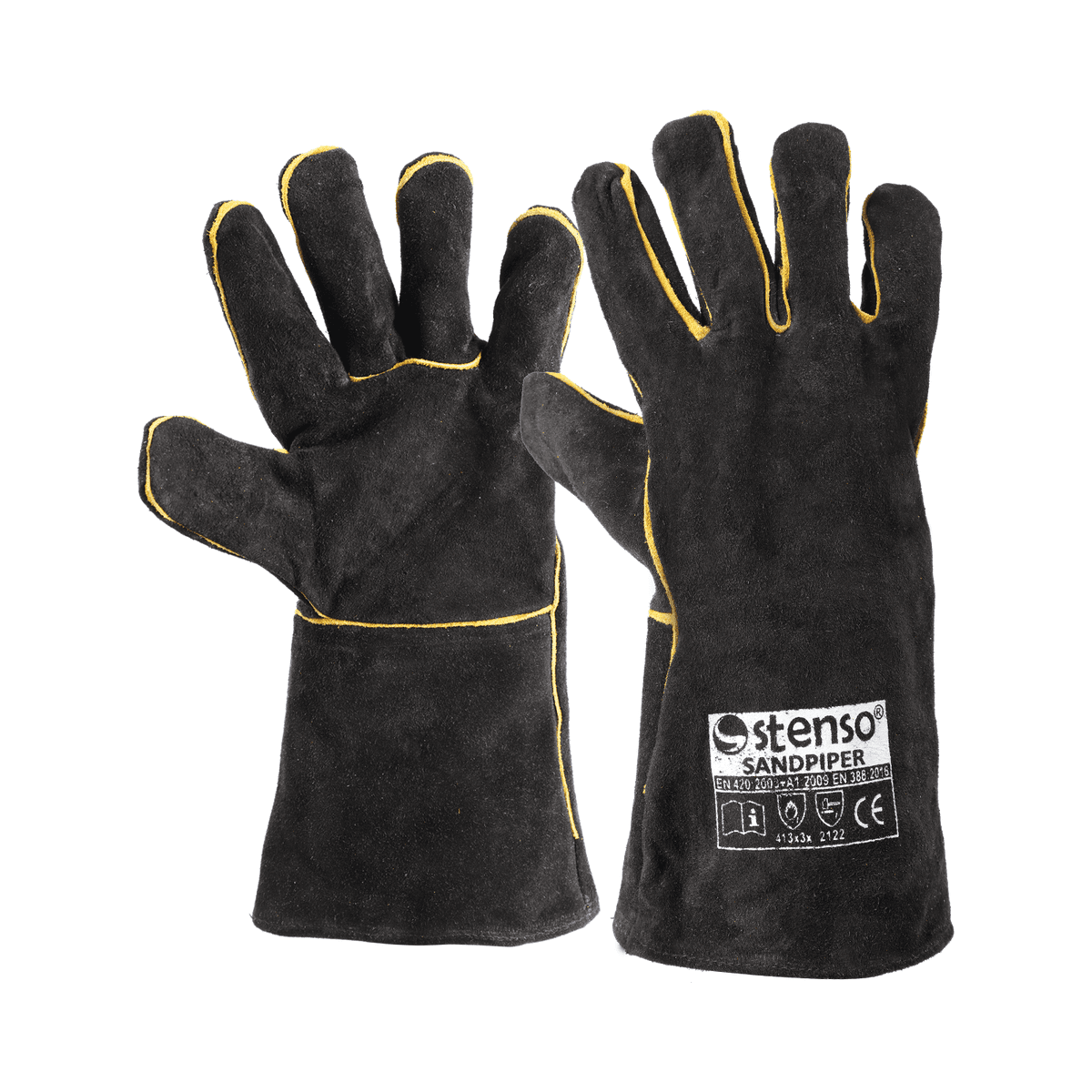
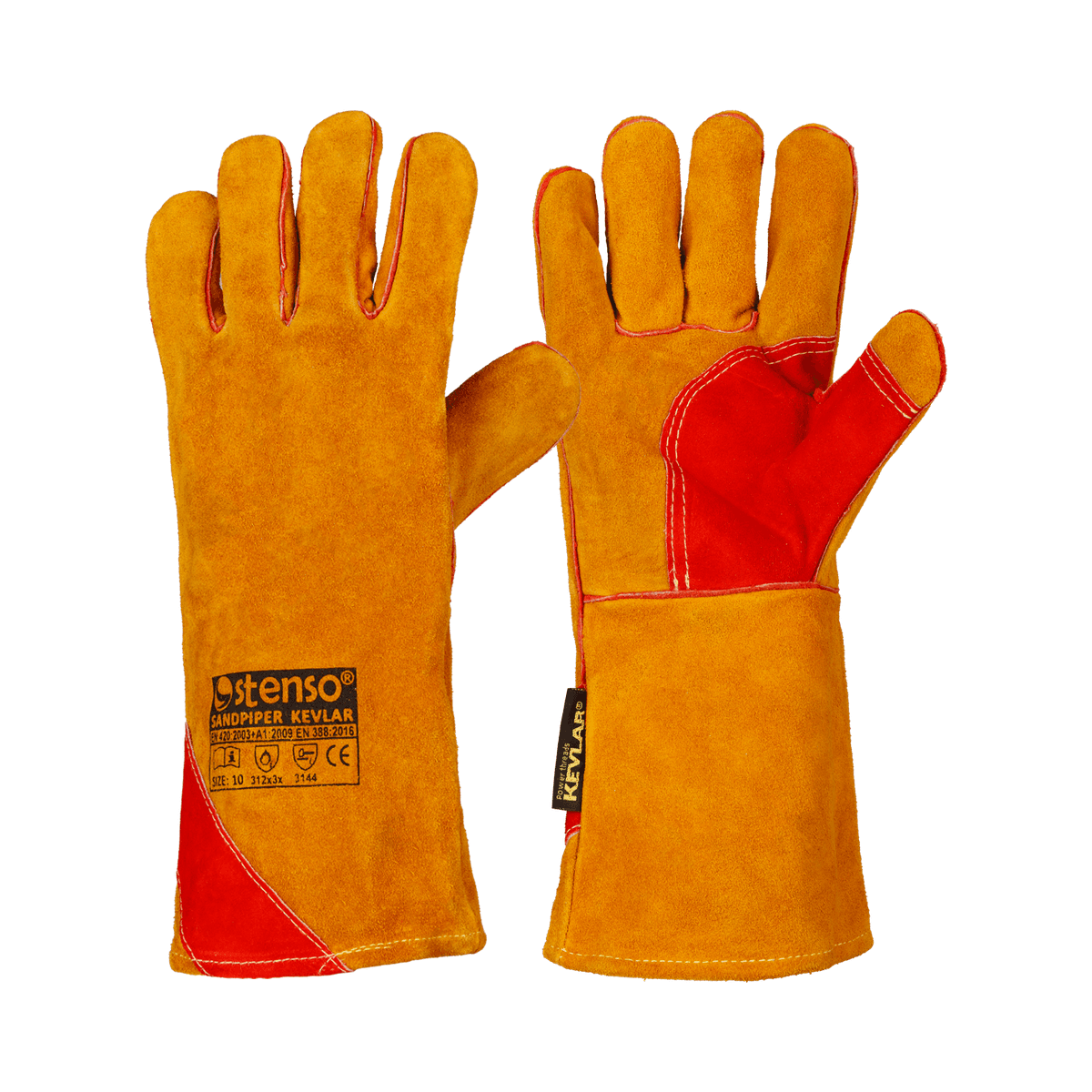
The standard also requires the glove or its packaging to show the manufacturer, model, size, CE mark, standard pictograms and a reference to the instructions. Where the glove is too small to mark, the information goes on the packaging.
Replaces EN 420.