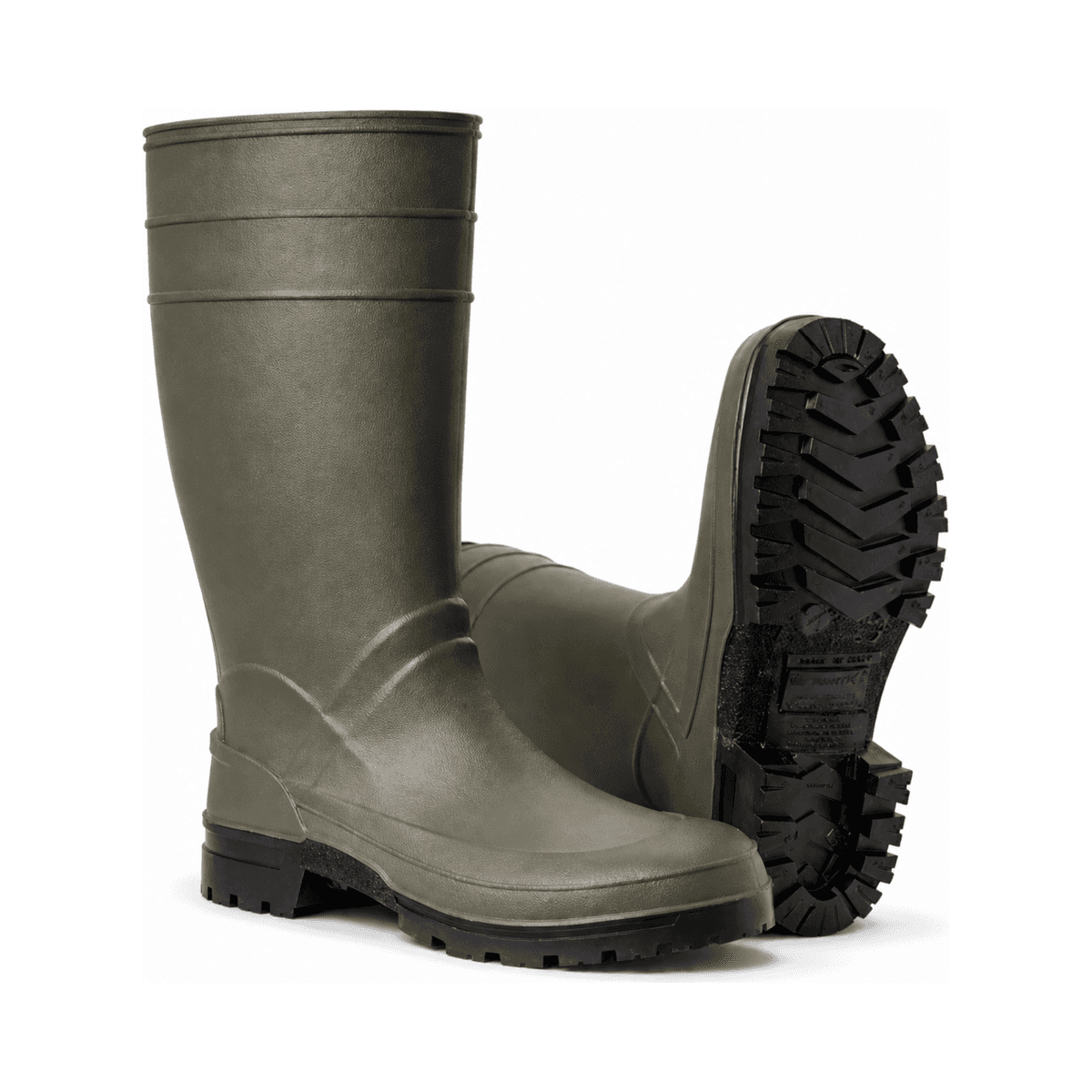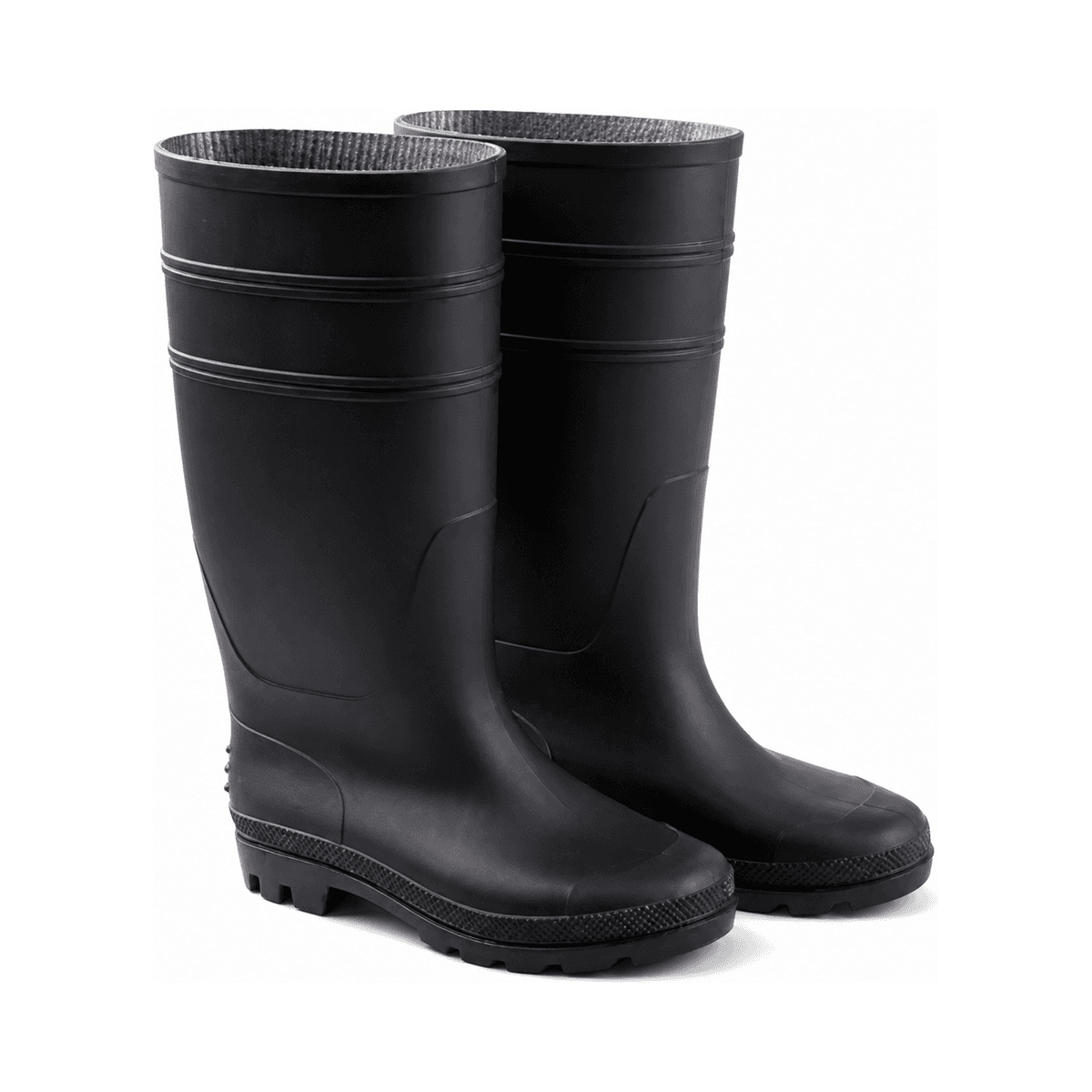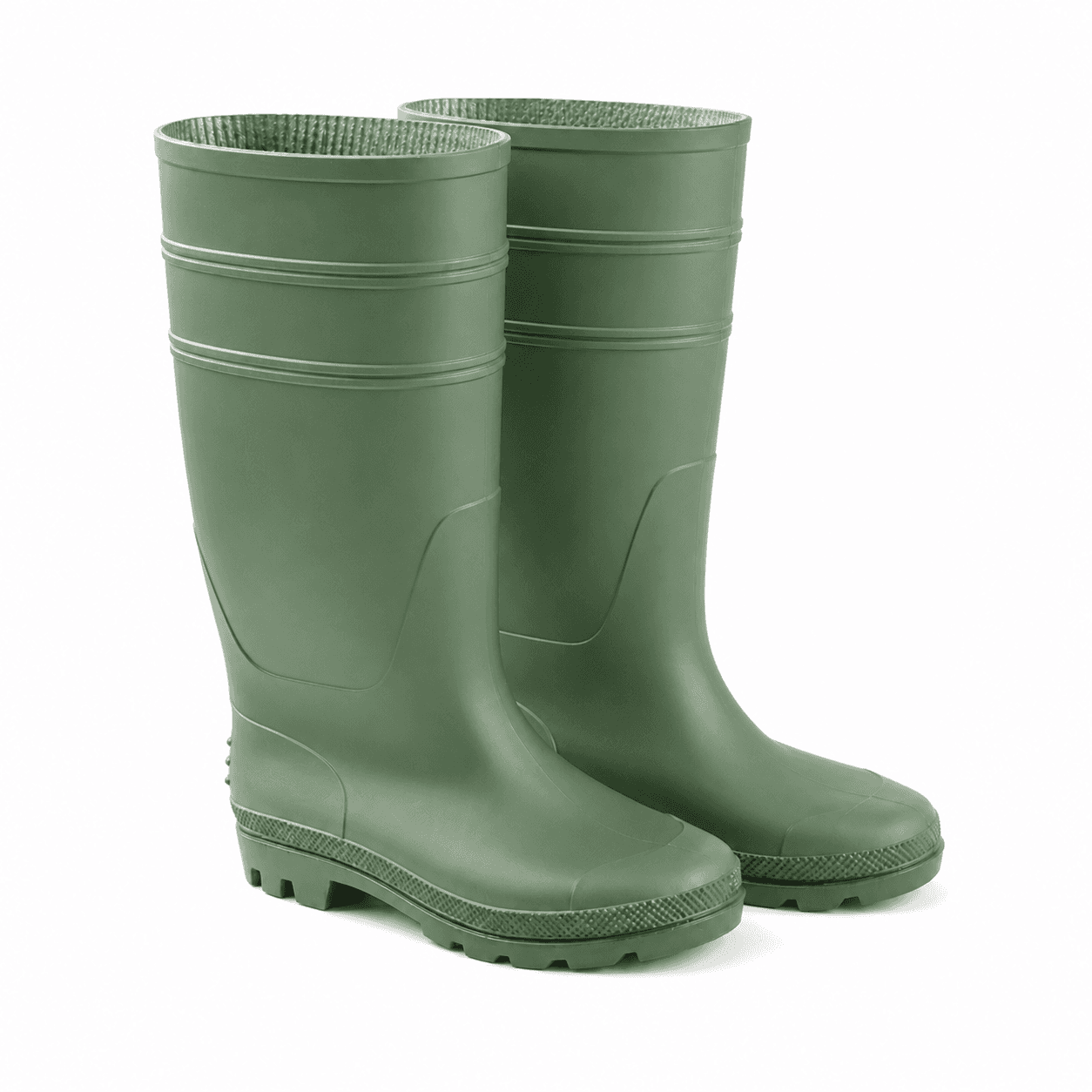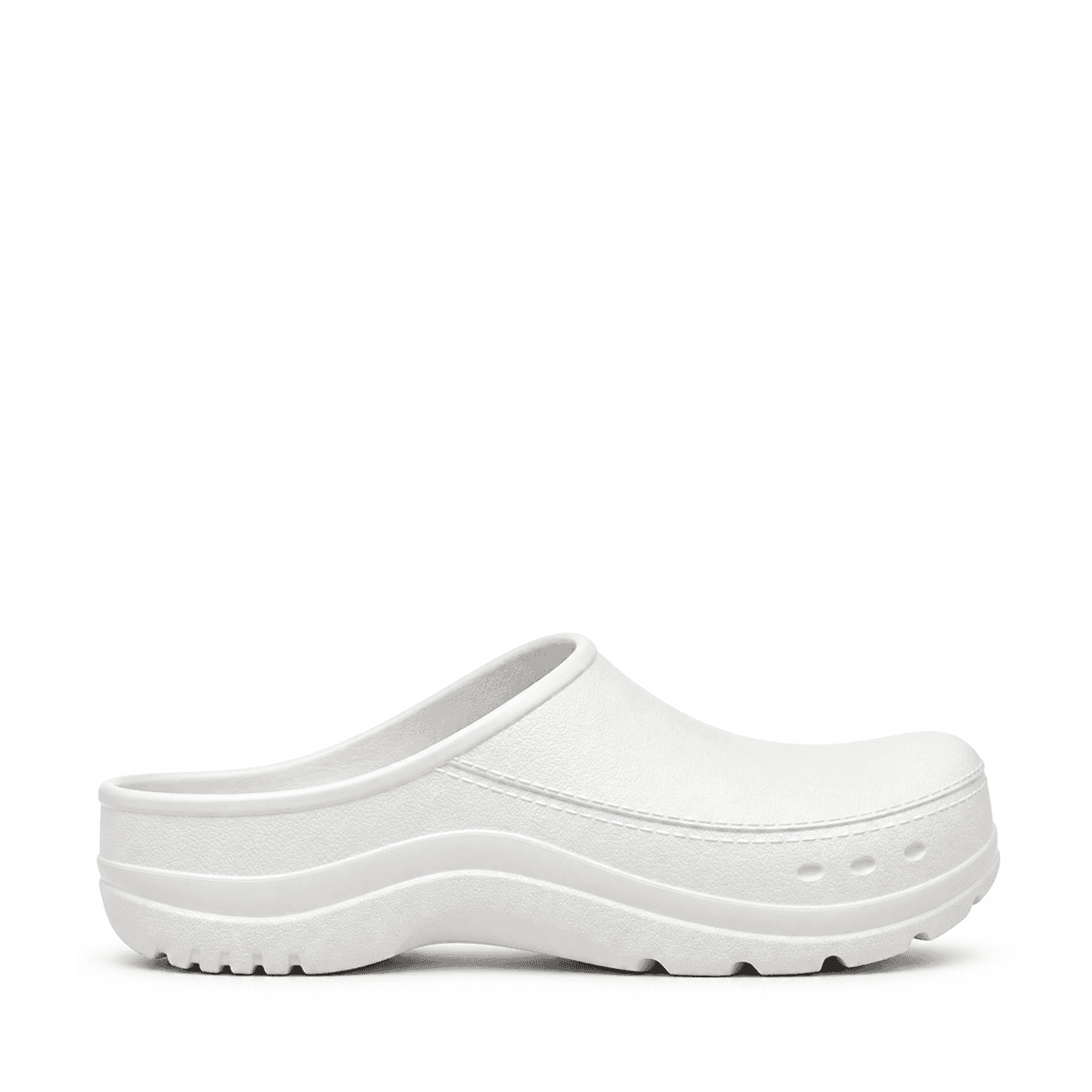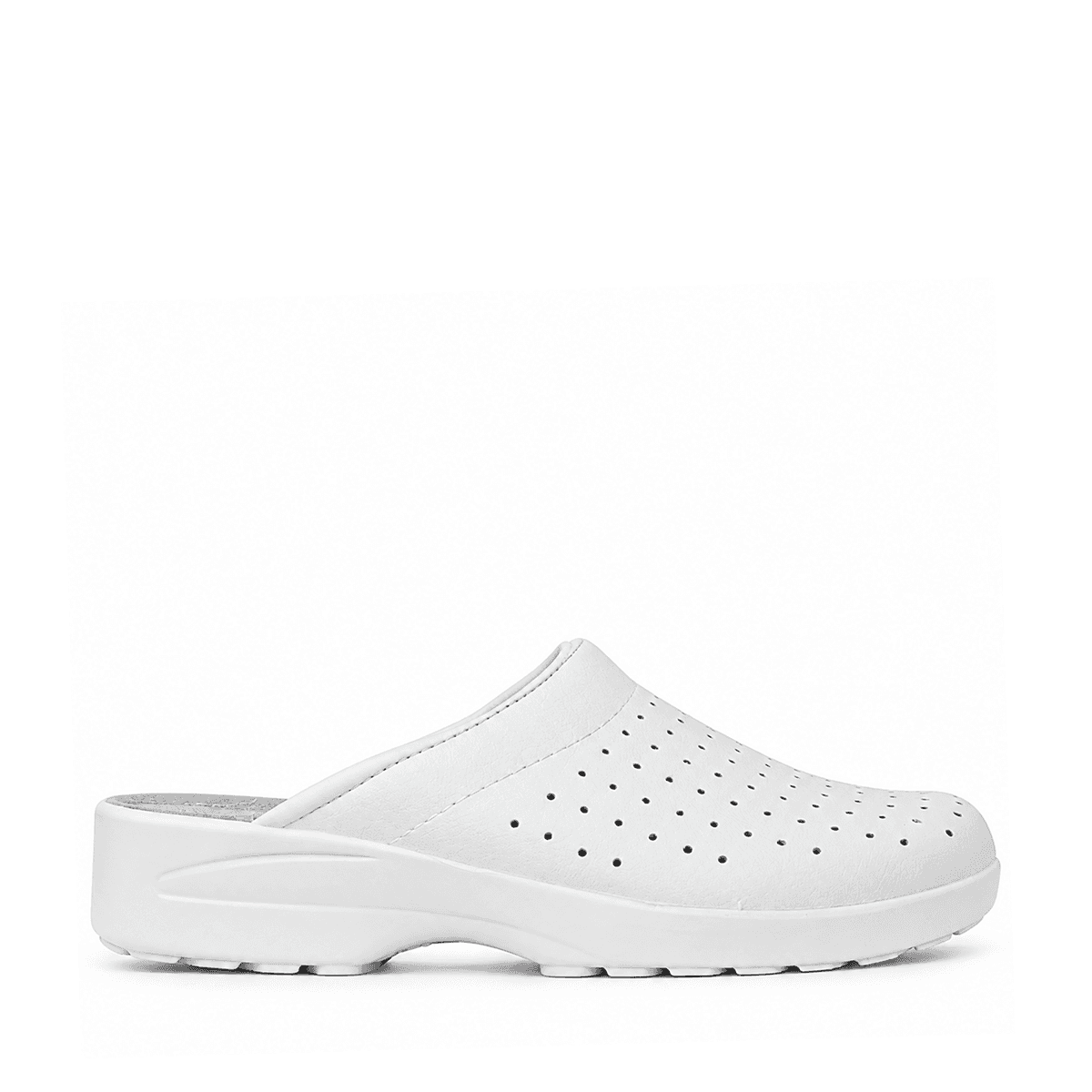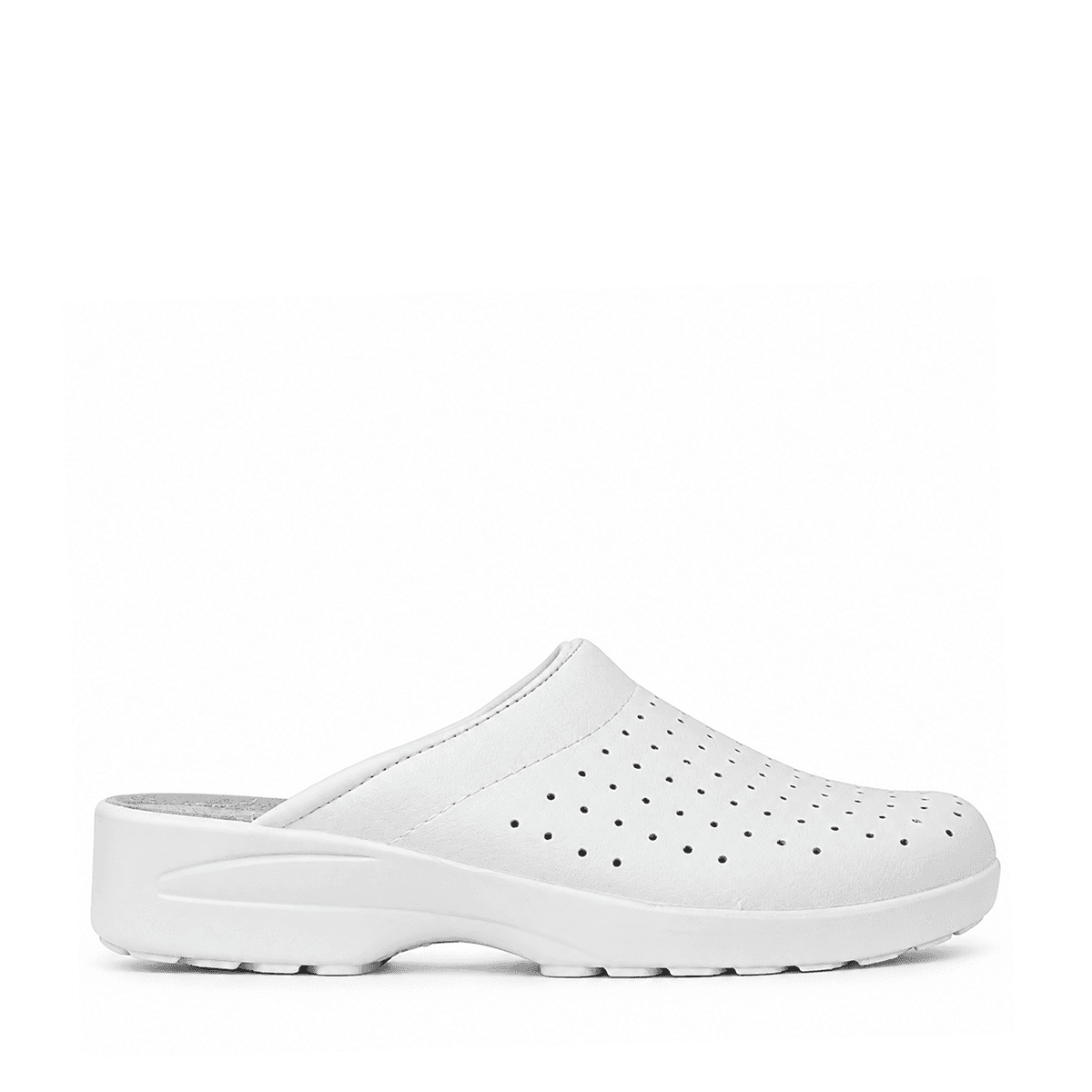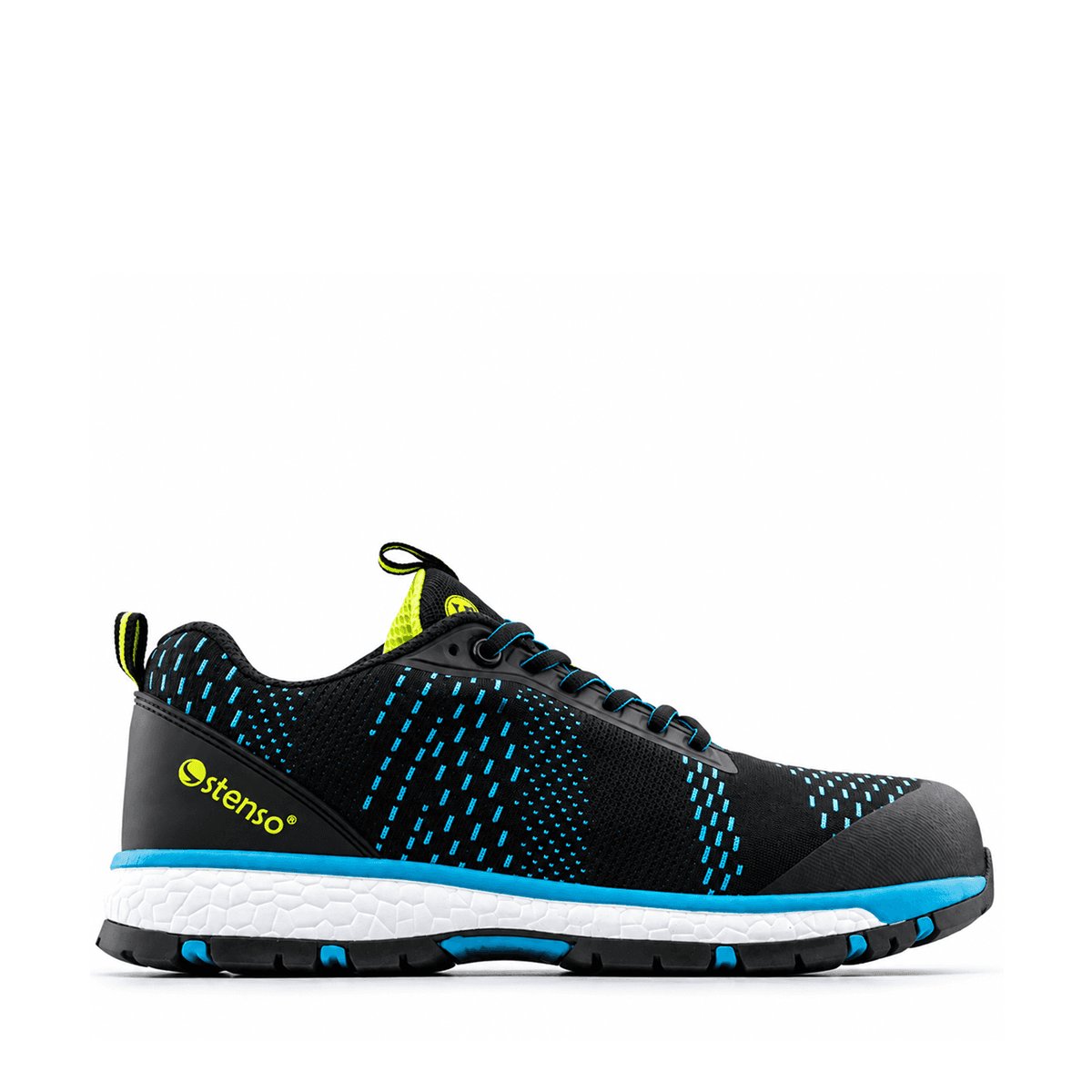
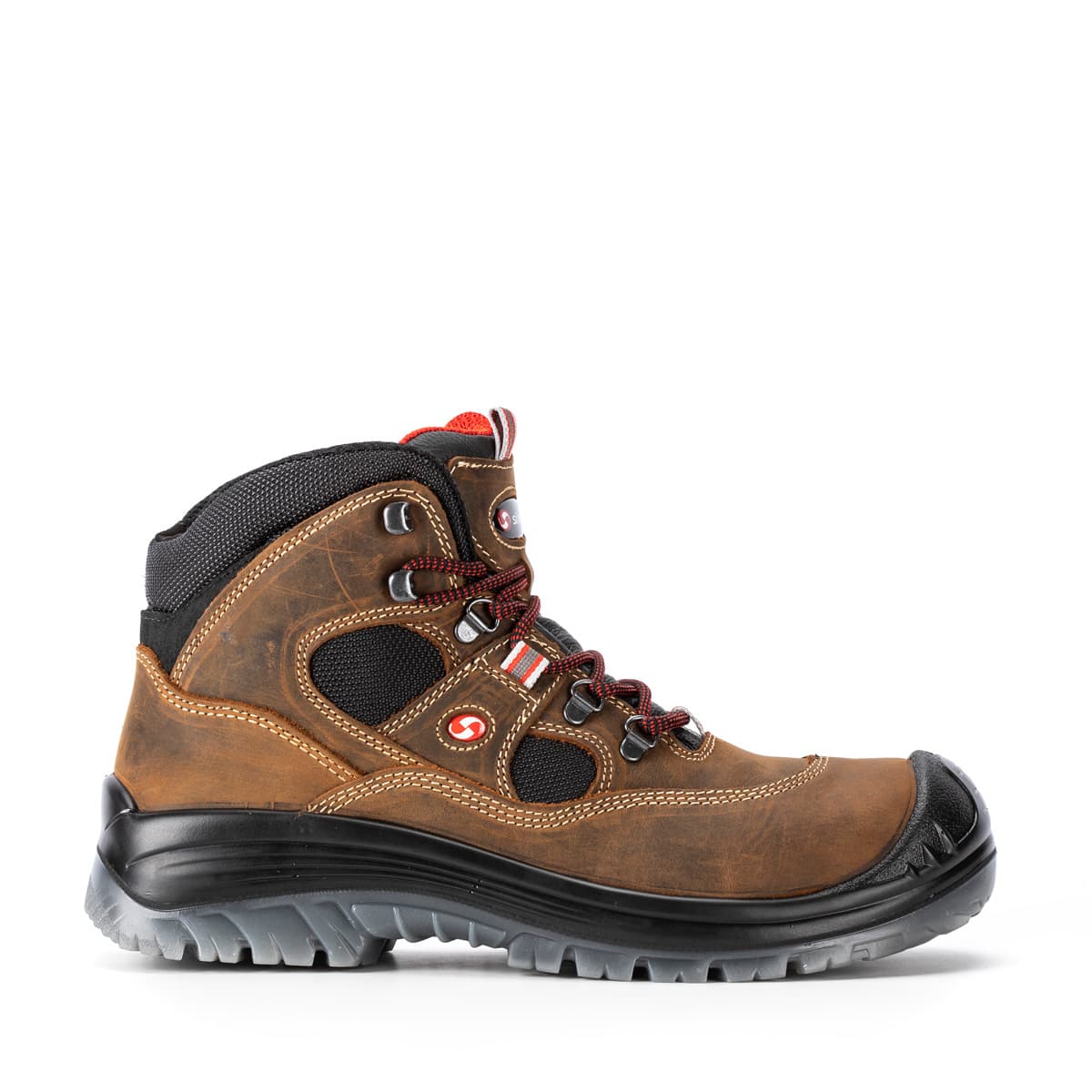
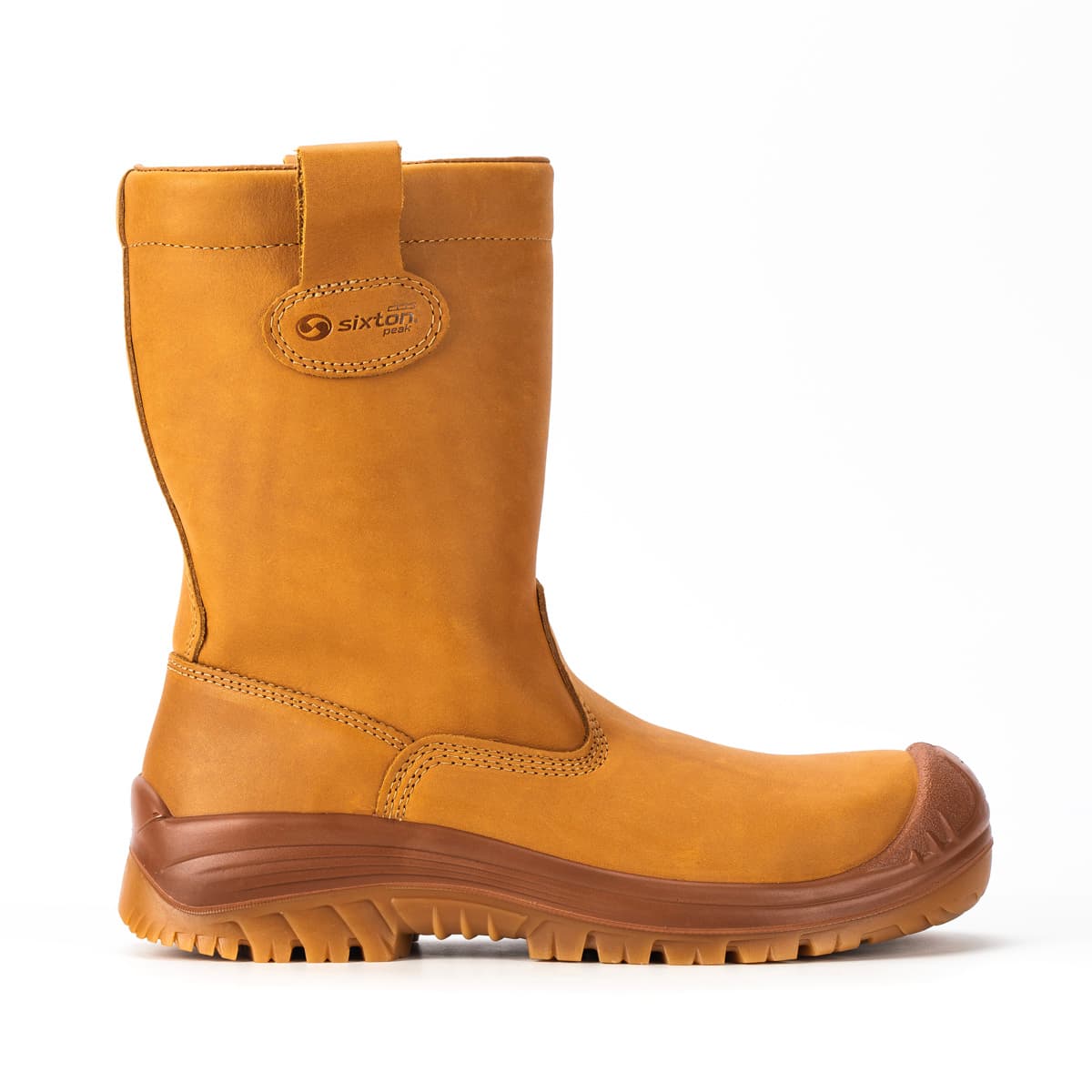
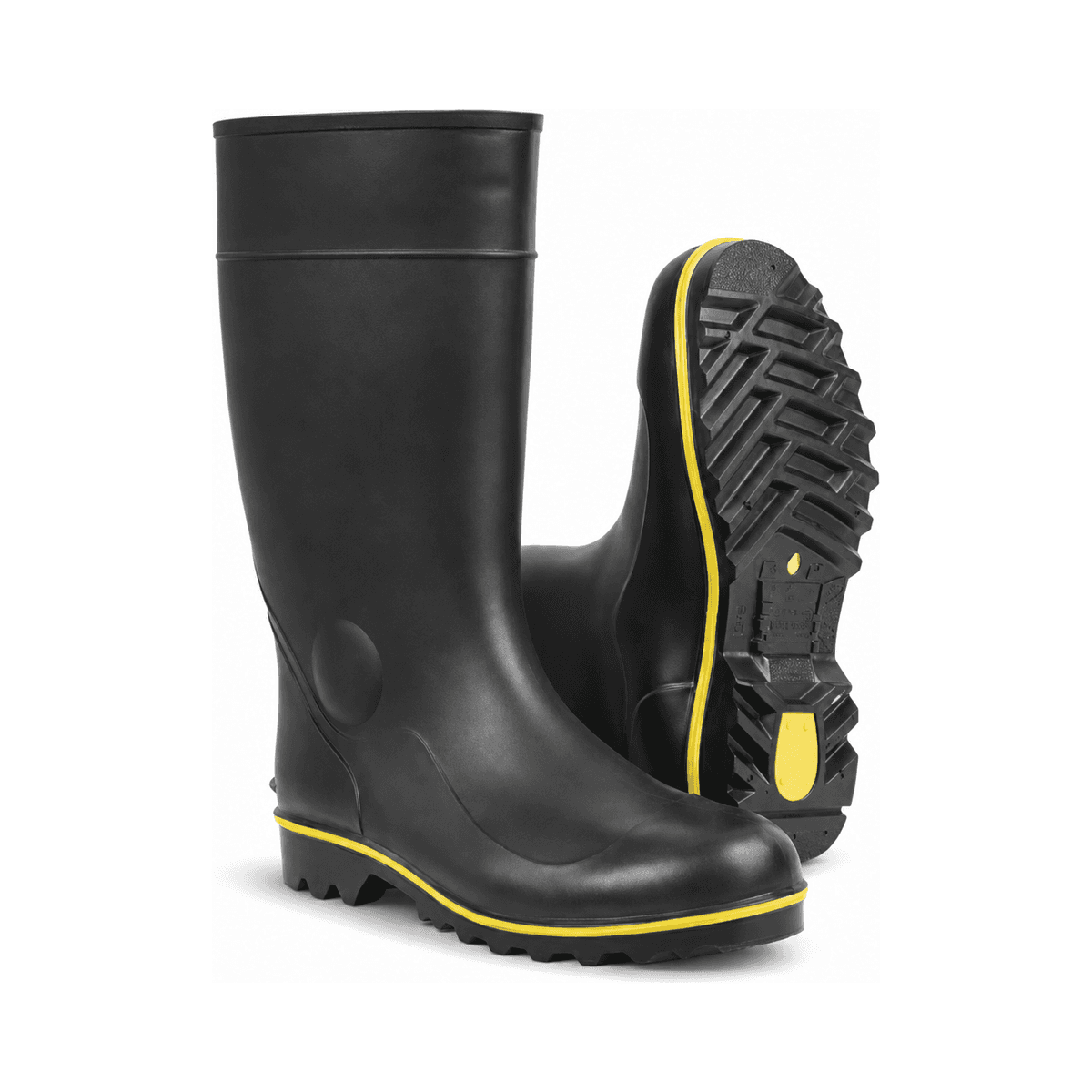
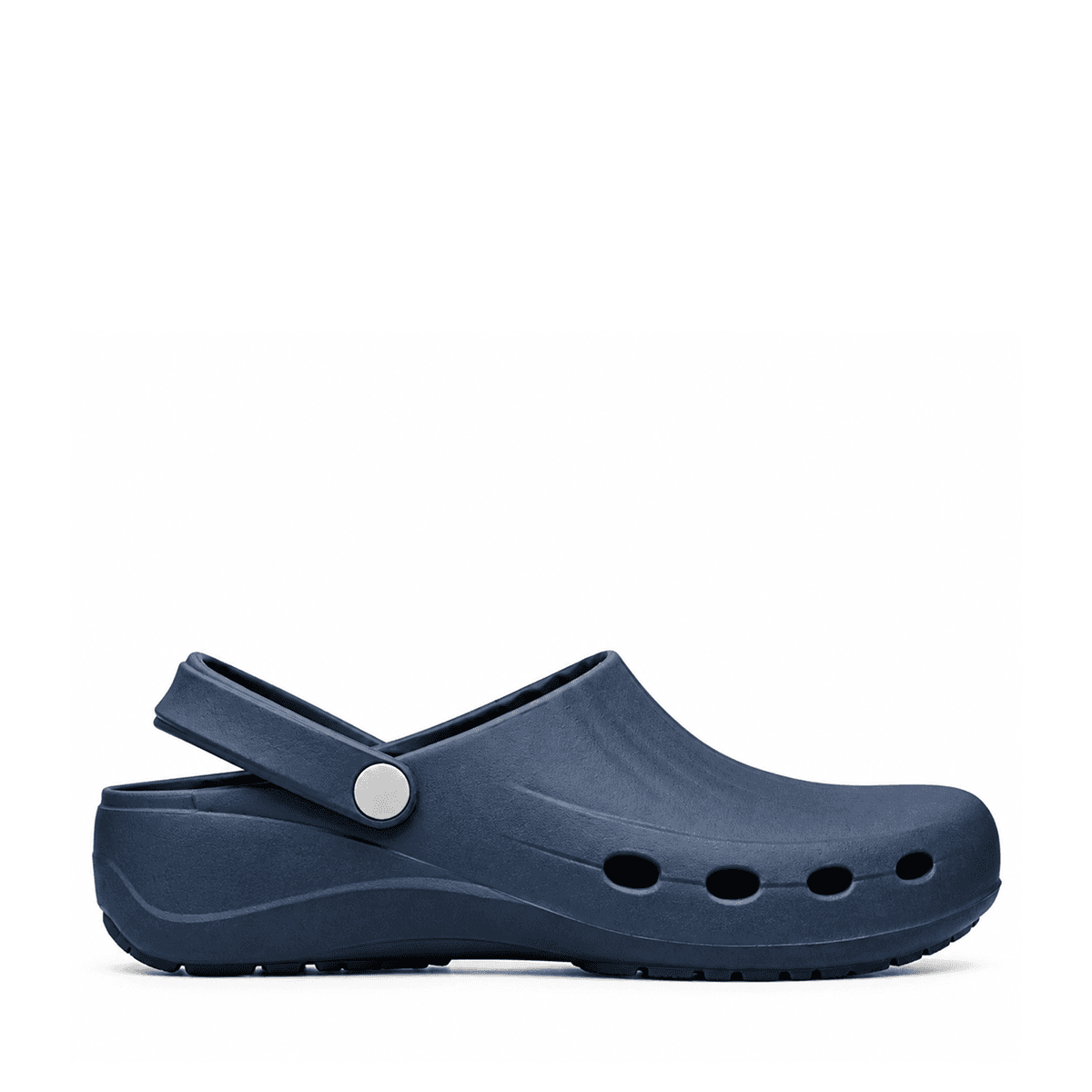
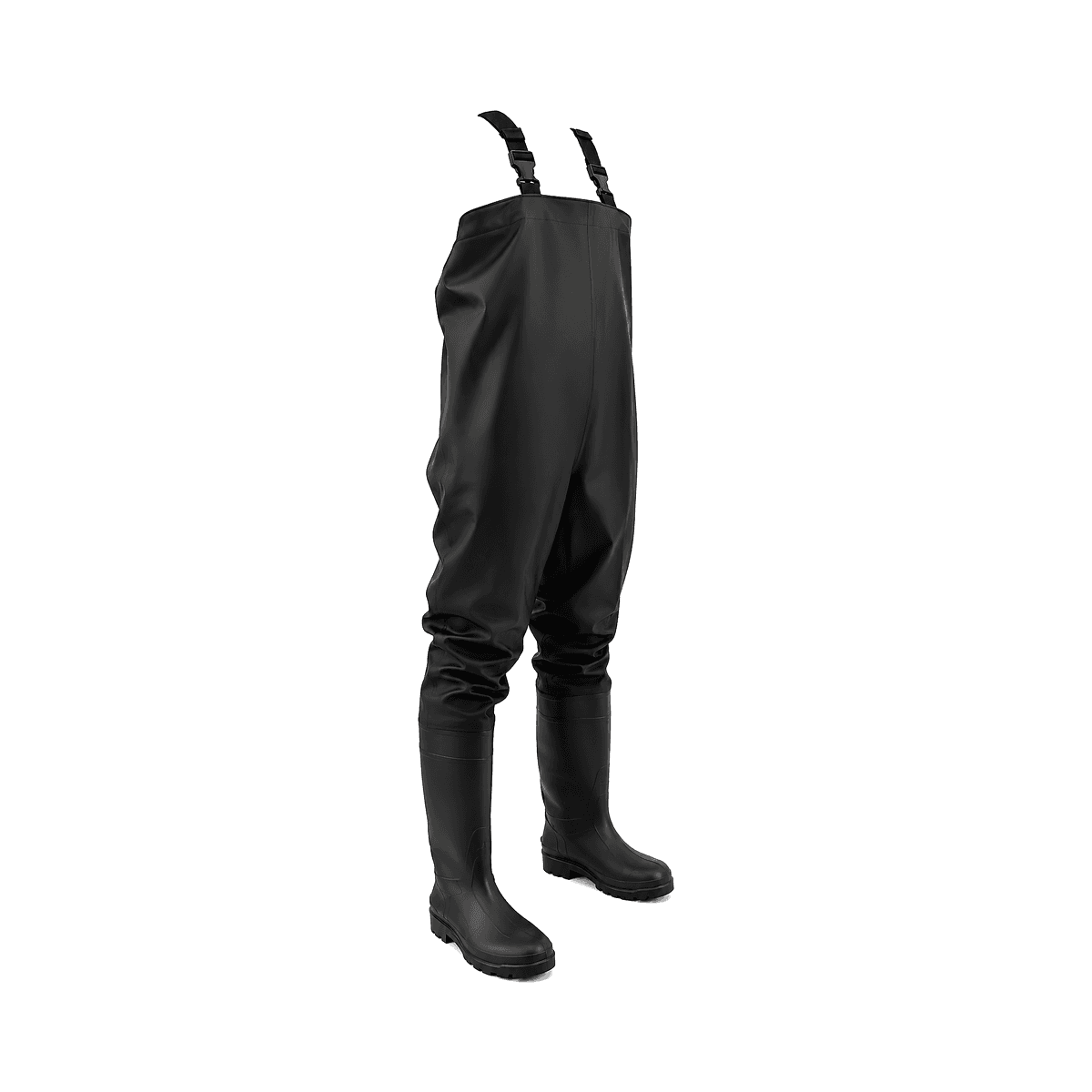
EN ISO 20347 covers occupational footwear that has no protective toe cap. That is the only difference from EN ISO 20345, but it is a decisive one. All the other properties — antistatic, penetration resistance, water resistance, slip-resistant outsole — remain the same.
Classes
| Class | Properties |
|---|---|
| OB | Basic requirements, no toe cap |
| O1 | OB + closed seat region, antistatic, energy absorption |
| O2 | O1 + water penetration resistance of the upper |
| O3 | O2 + penetration resistance + cleated outsole |
| O4 | Fully moulded, waterproof |
| O5 | O4 + penetration resistance + cleated outsole |
| O6 / O7 | O2 / O3 + whole-shoe water resistance |
Where it is the right choice
Occupational footwear suits environments where there is no risk of falling or rolling objects but other hazards exist: wet, slippery kitchen floors, long hours standing in a hospital, hygiene requirements in food production, or static control in electronics assembly.
One important note: on construction sites, in warehouses, workshops and logistics, EN ISO 20347 footwear is normally insufficient — a risk assessment will nearly always call for a toe cap.