
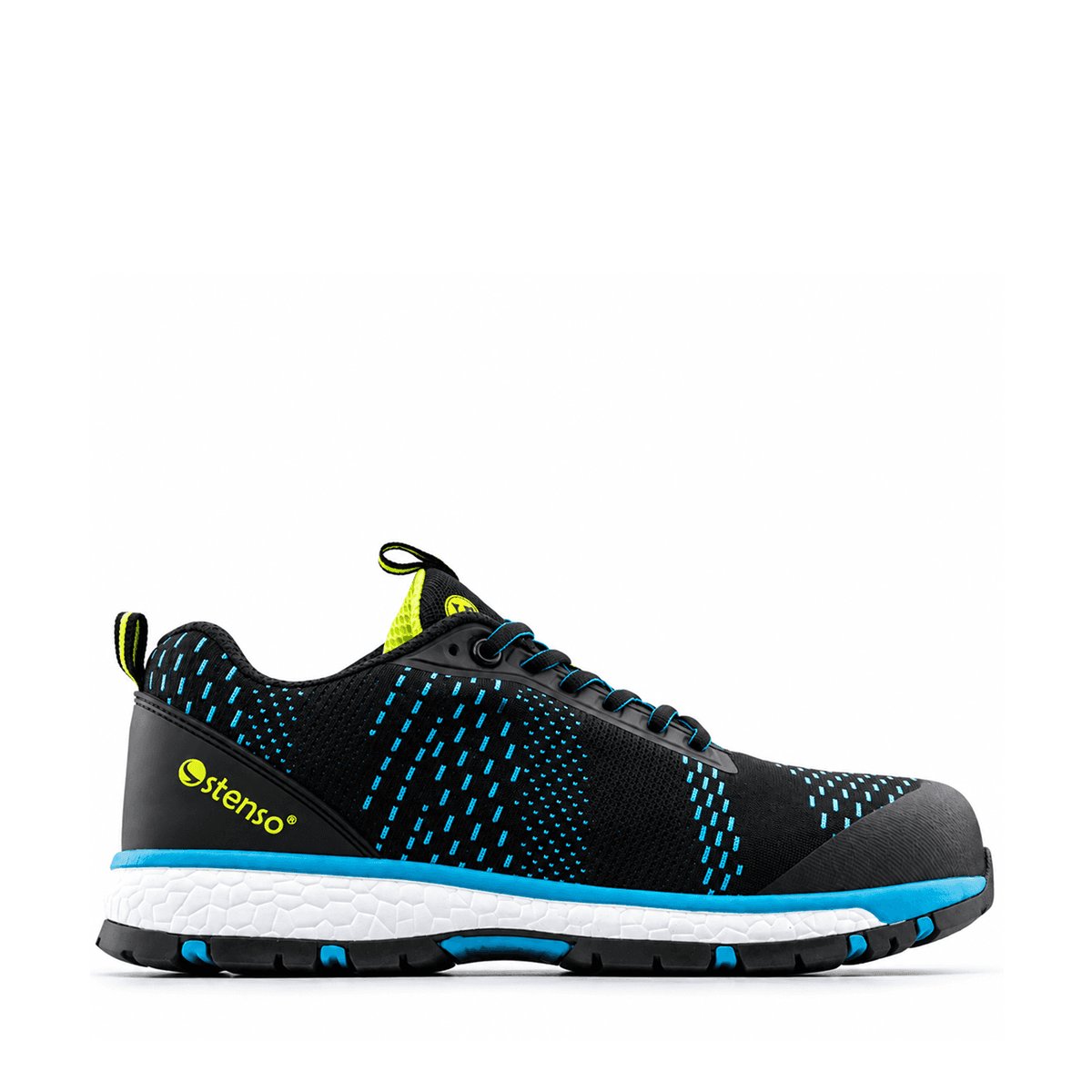
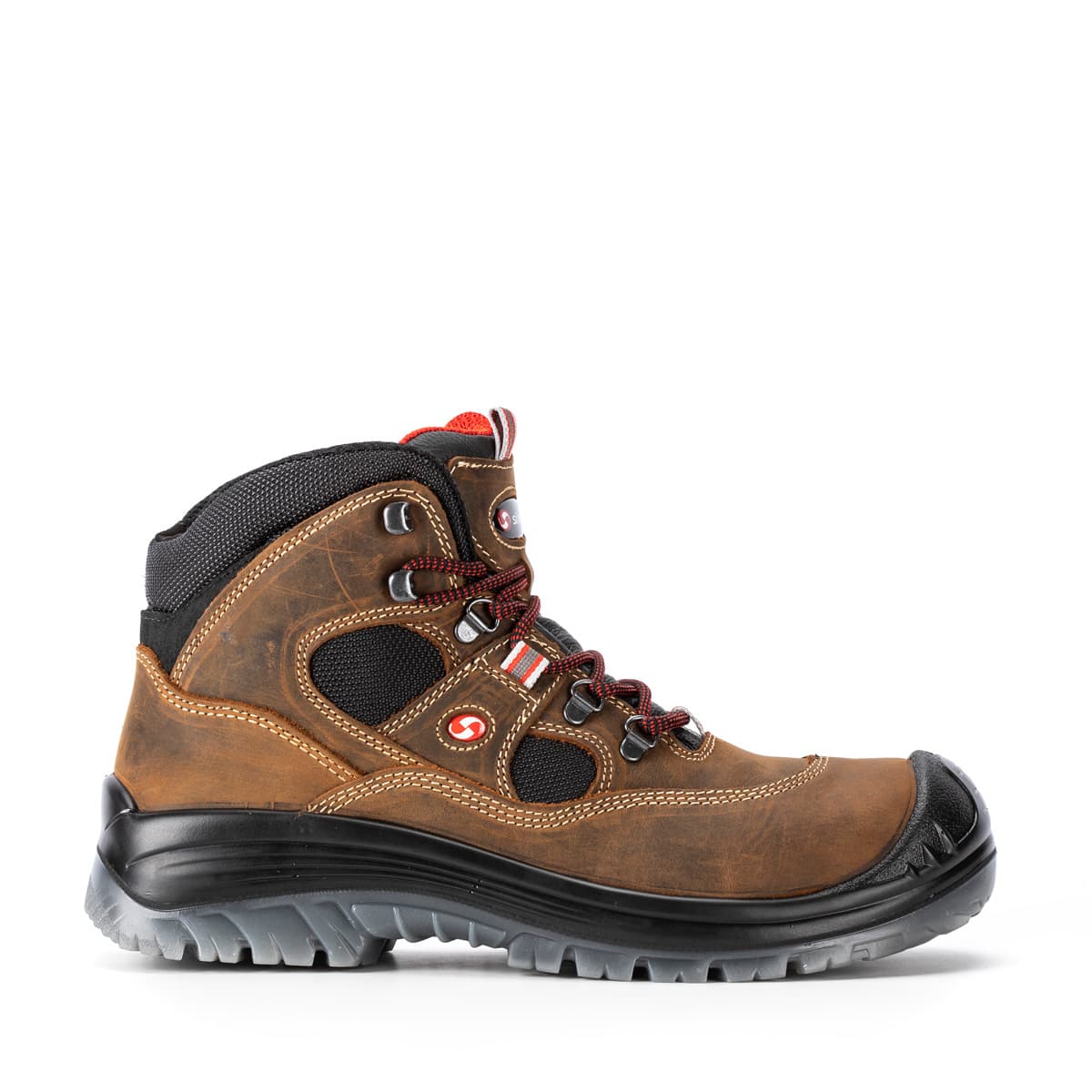
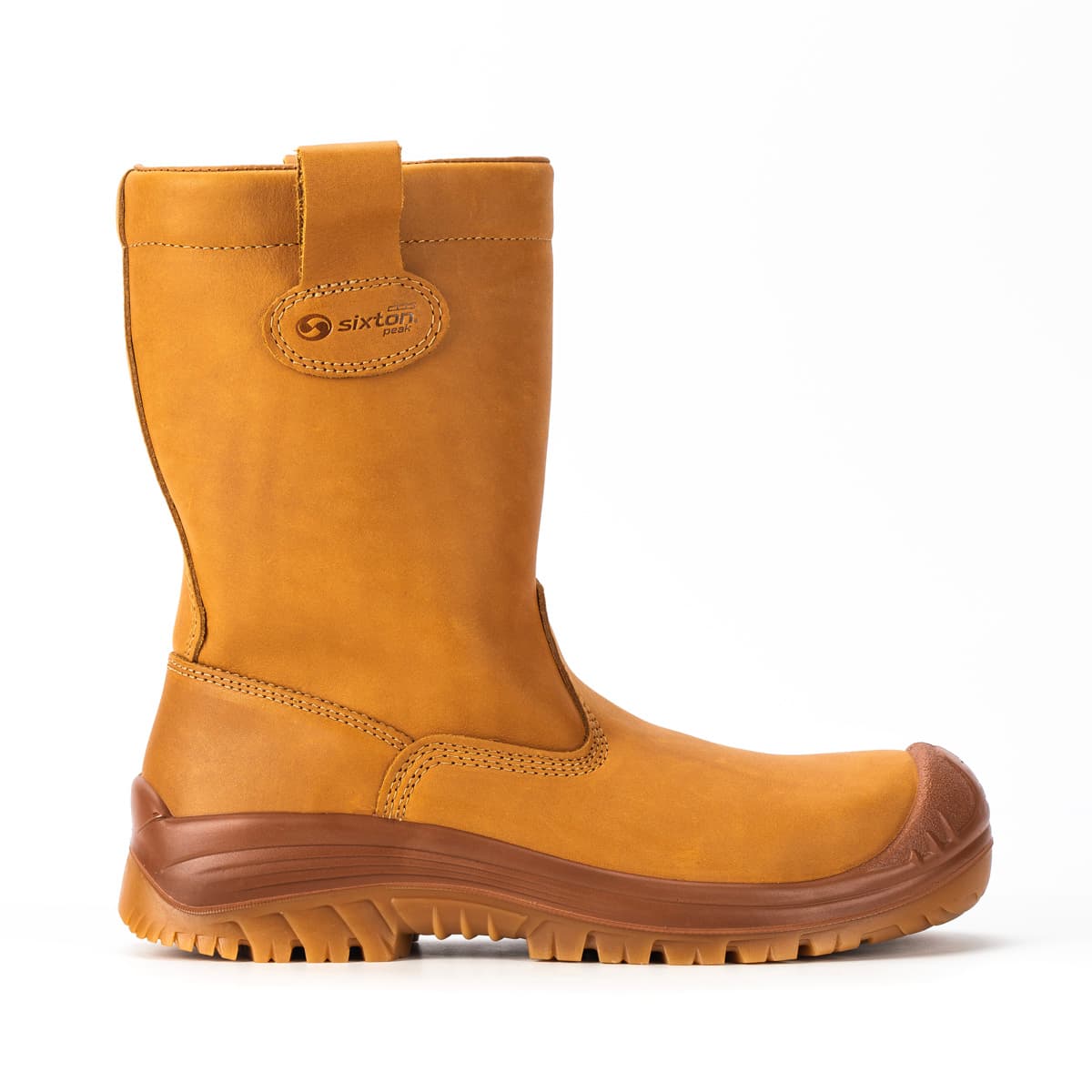
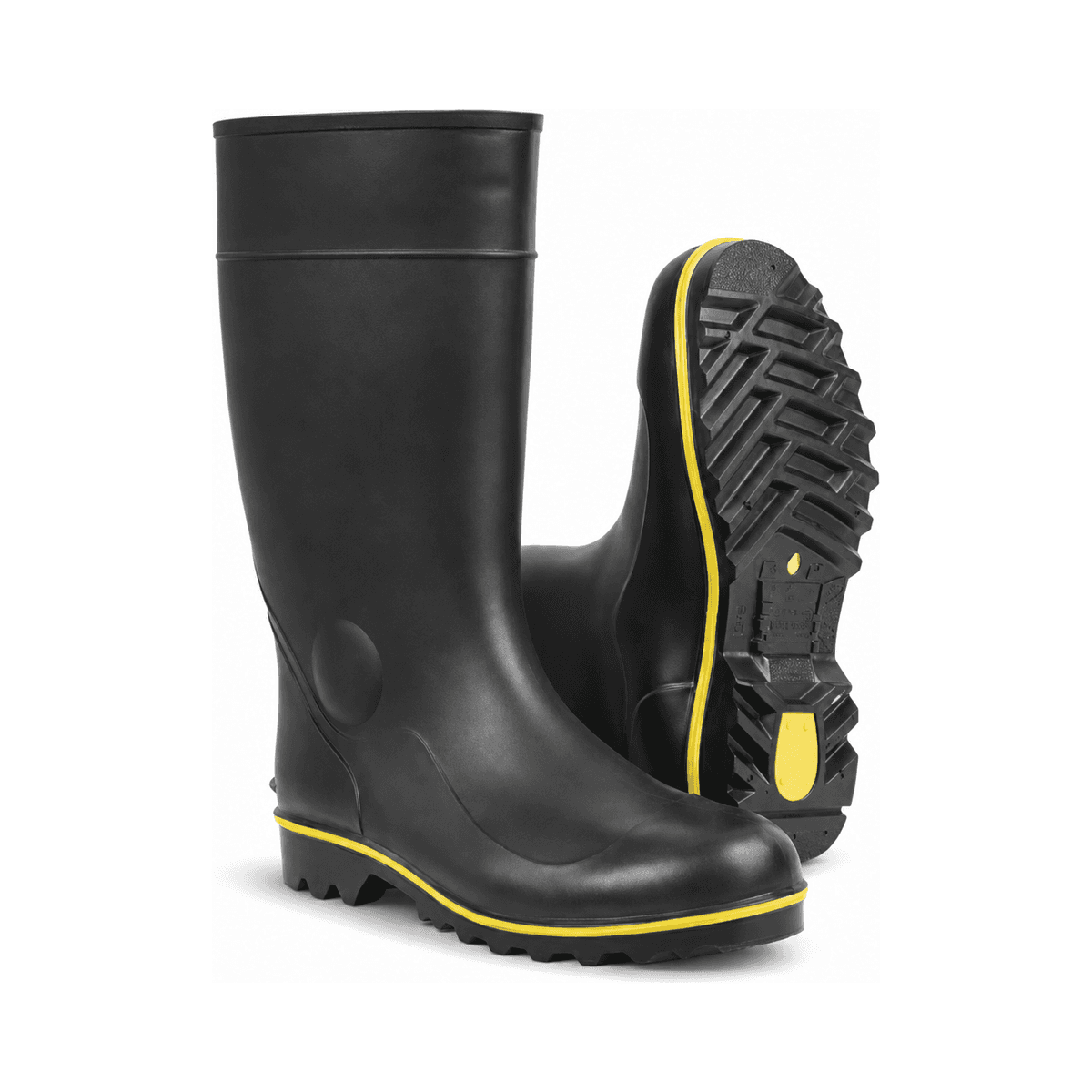
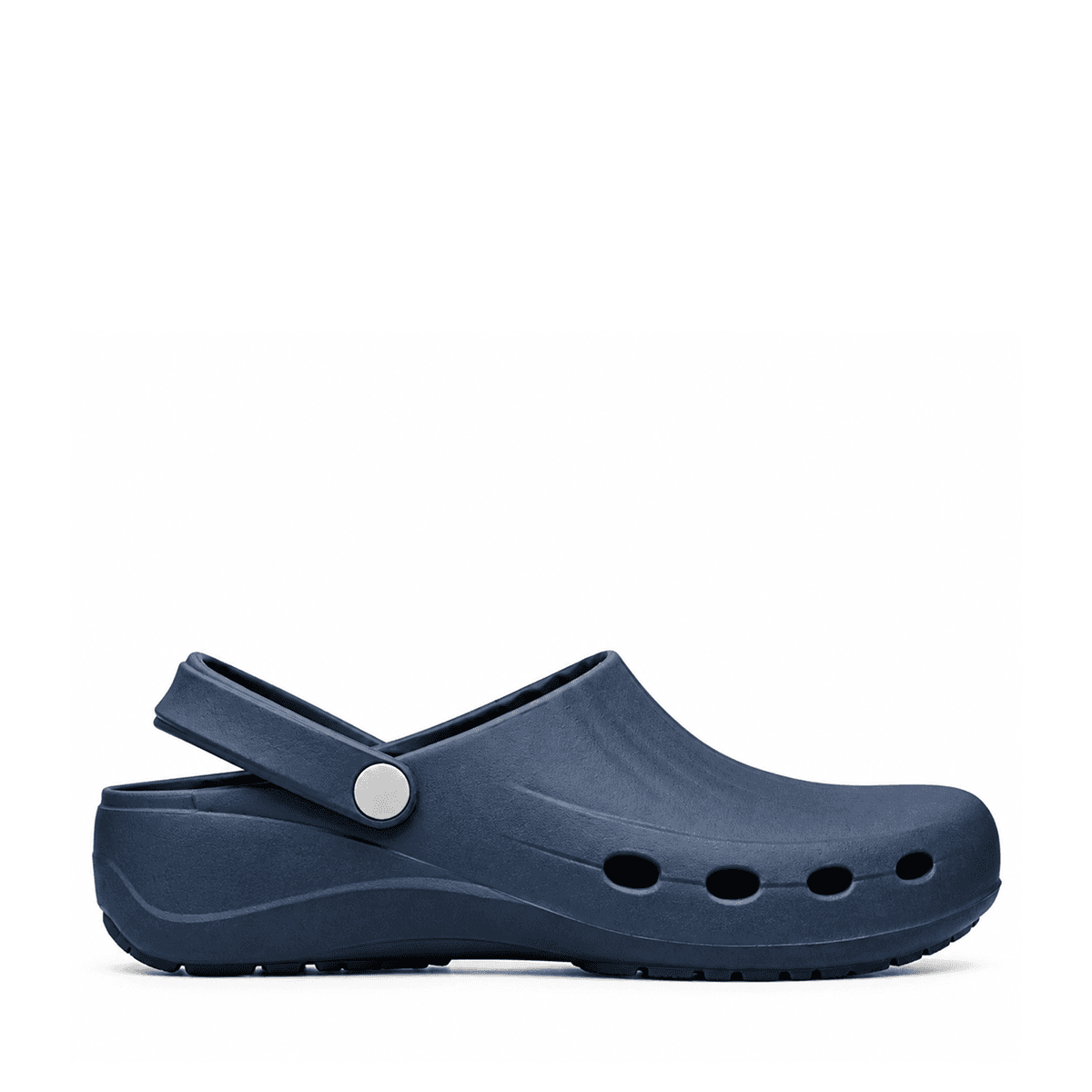
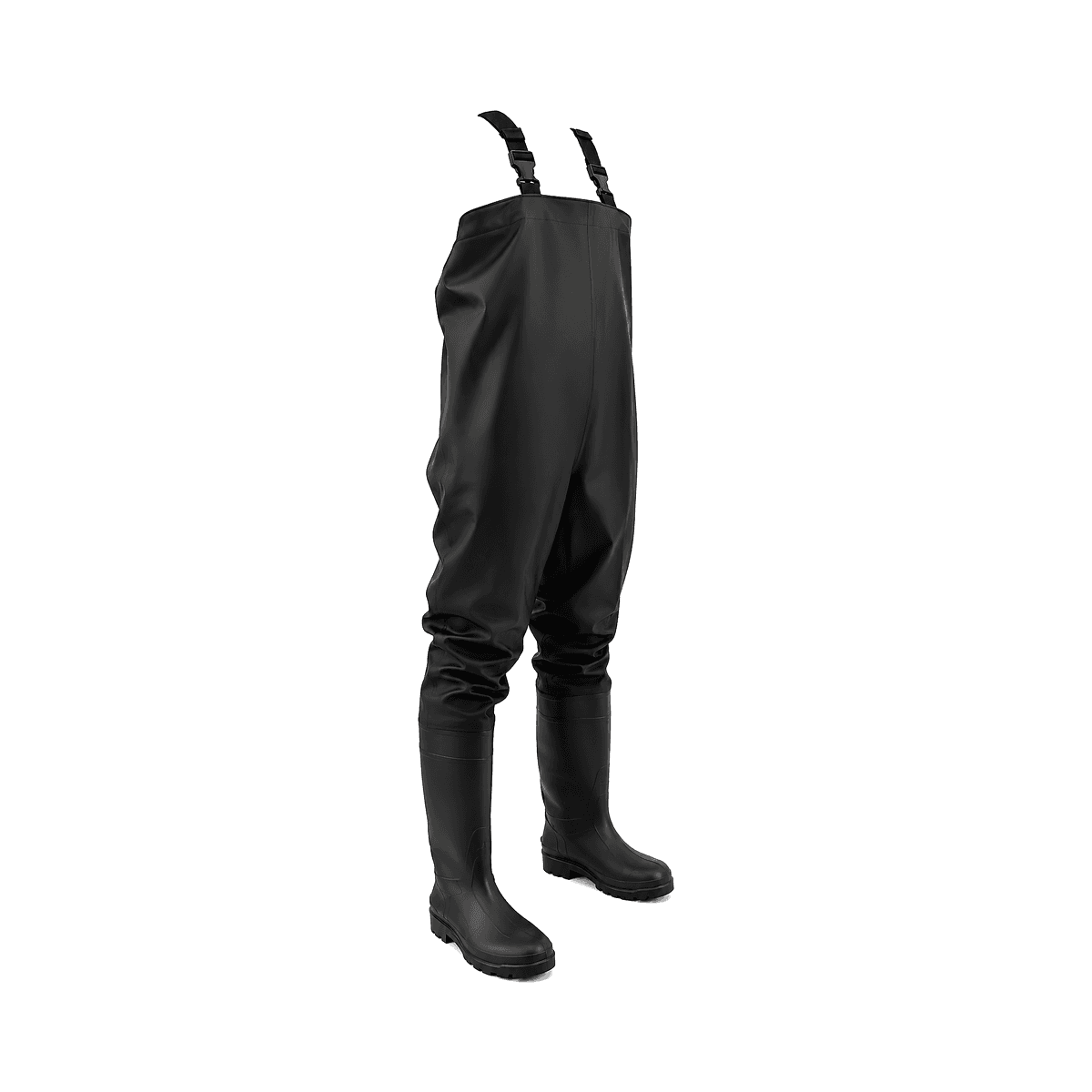
EN 50321 sets the requirements for electrically insulating footwear for work on low-voltage installations. It creates an insulating barrier between the wearer and earth, preventing the circuit from closing through the body.
Classes
| Class | Working voltage | Test voltage |
|---|---|---|
| Class 00 | 500 V a.c. | 5 kV |
| Class 0 | 1000 V a.c. | 10 kV |
The critical difference from antistatic footwear
These two properties are opposites and confusing them is dangerous. Antistatic footwear (marked A) deliberately conducts, so that static charge drains away — its resistance is below 1000 MΩ. Insulating footwear does not conduct at all — its resistance is extremely high. One shoe cannot be both.
Rules of use
- The footwear must be dry — moisture destroys the insulation.
- A nail, metal swarf or a deep cut in the sole cancels the protection immediately.
- The footwear must be inspected before each use and periodically retested.
- It is a secondary measure — the primary protection is always isolating the installation.