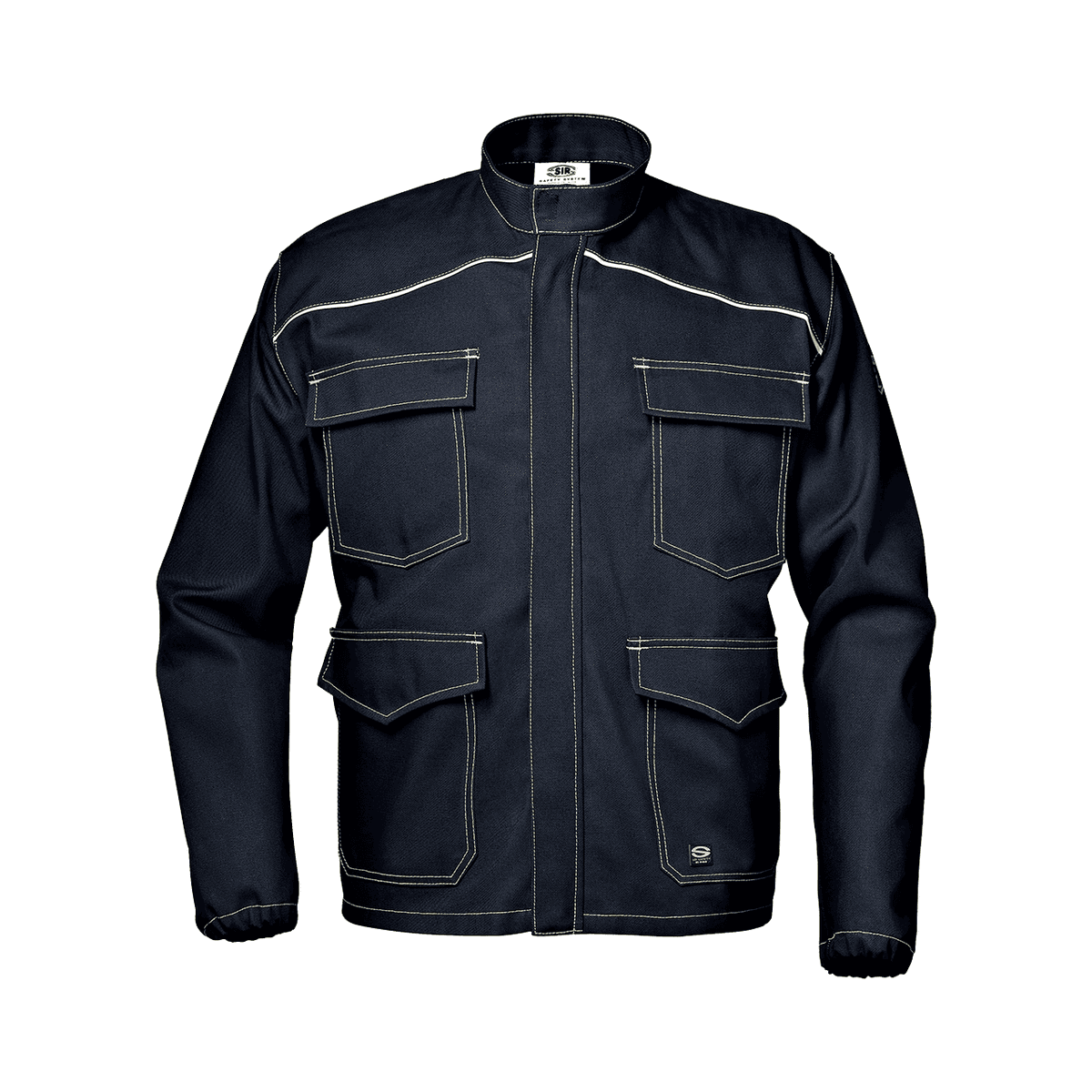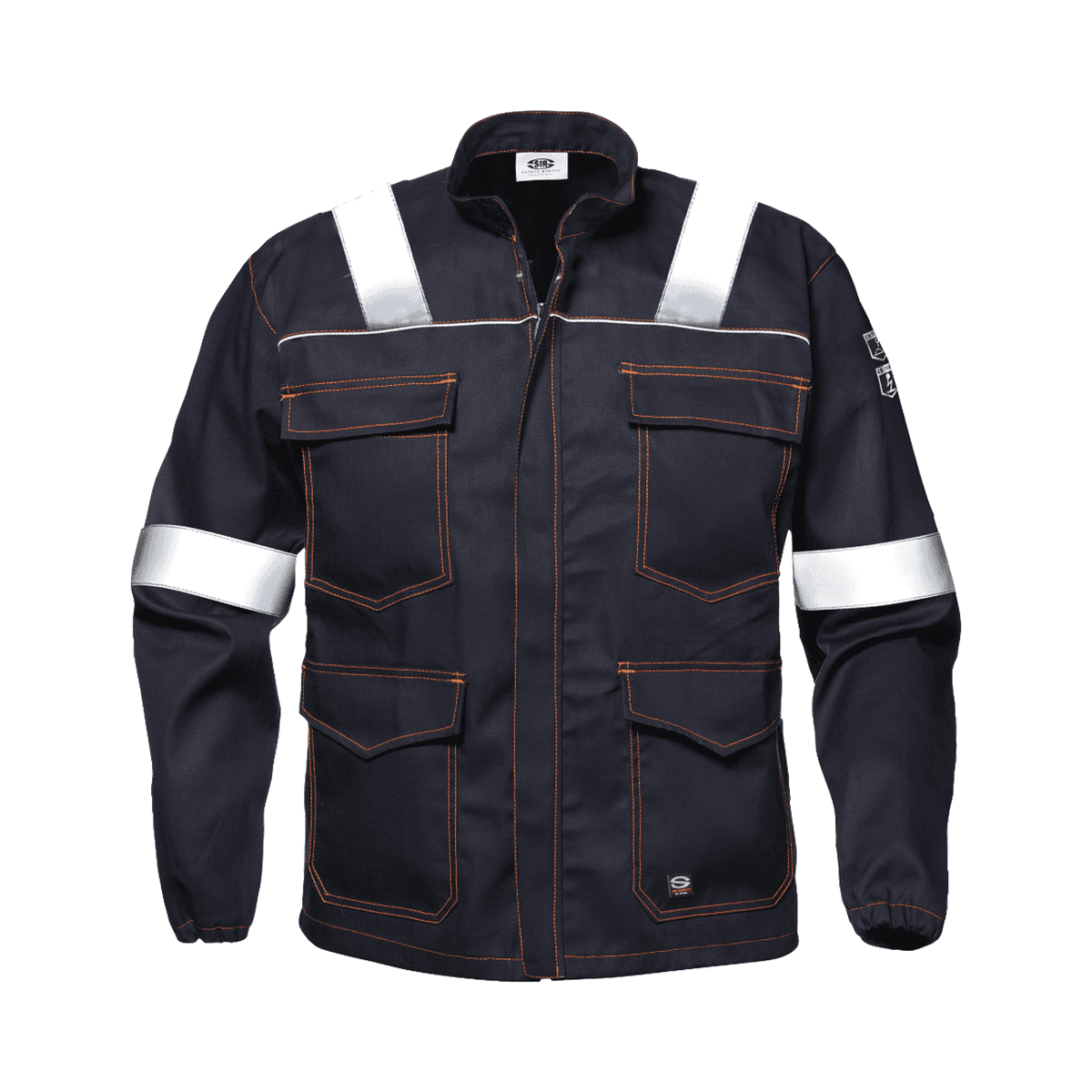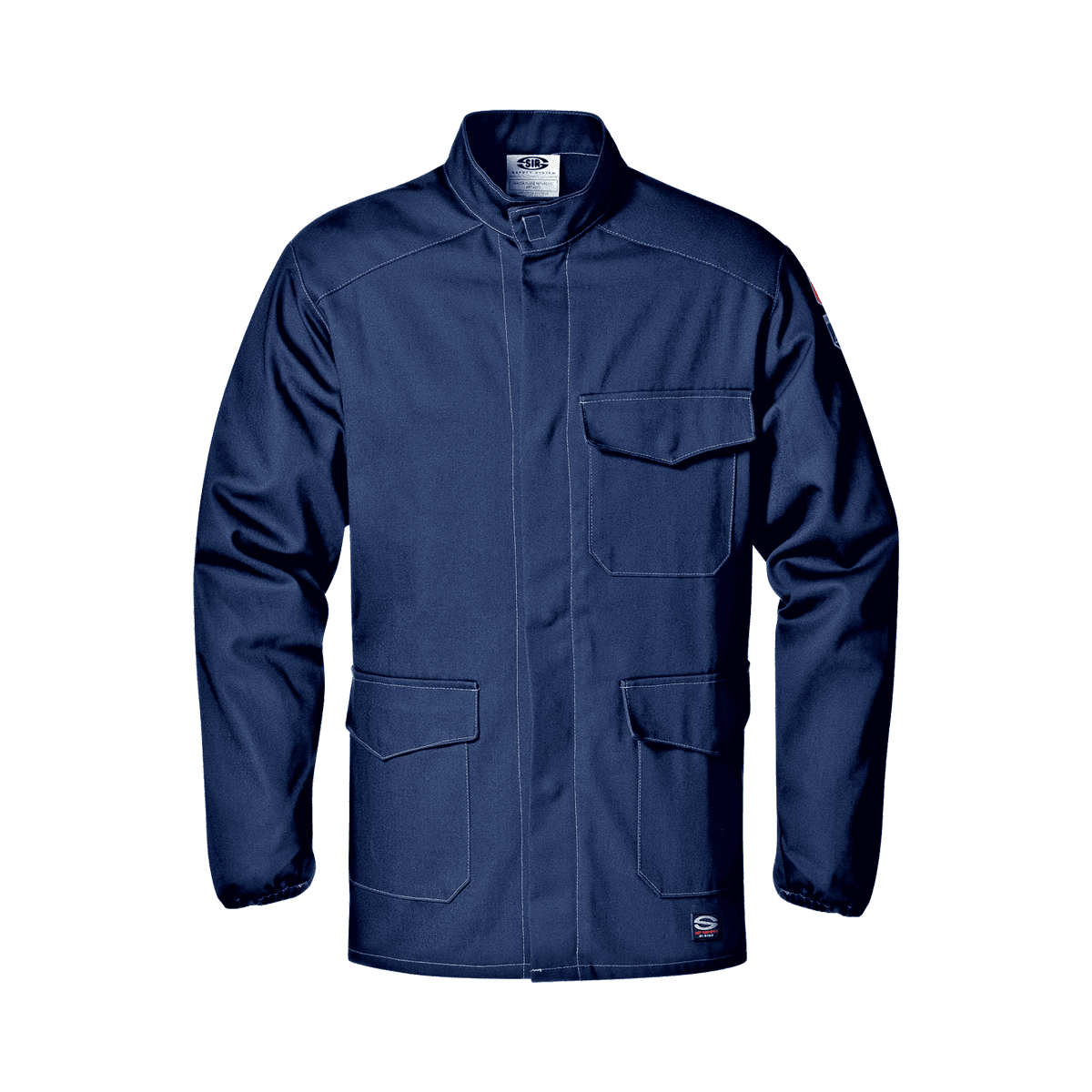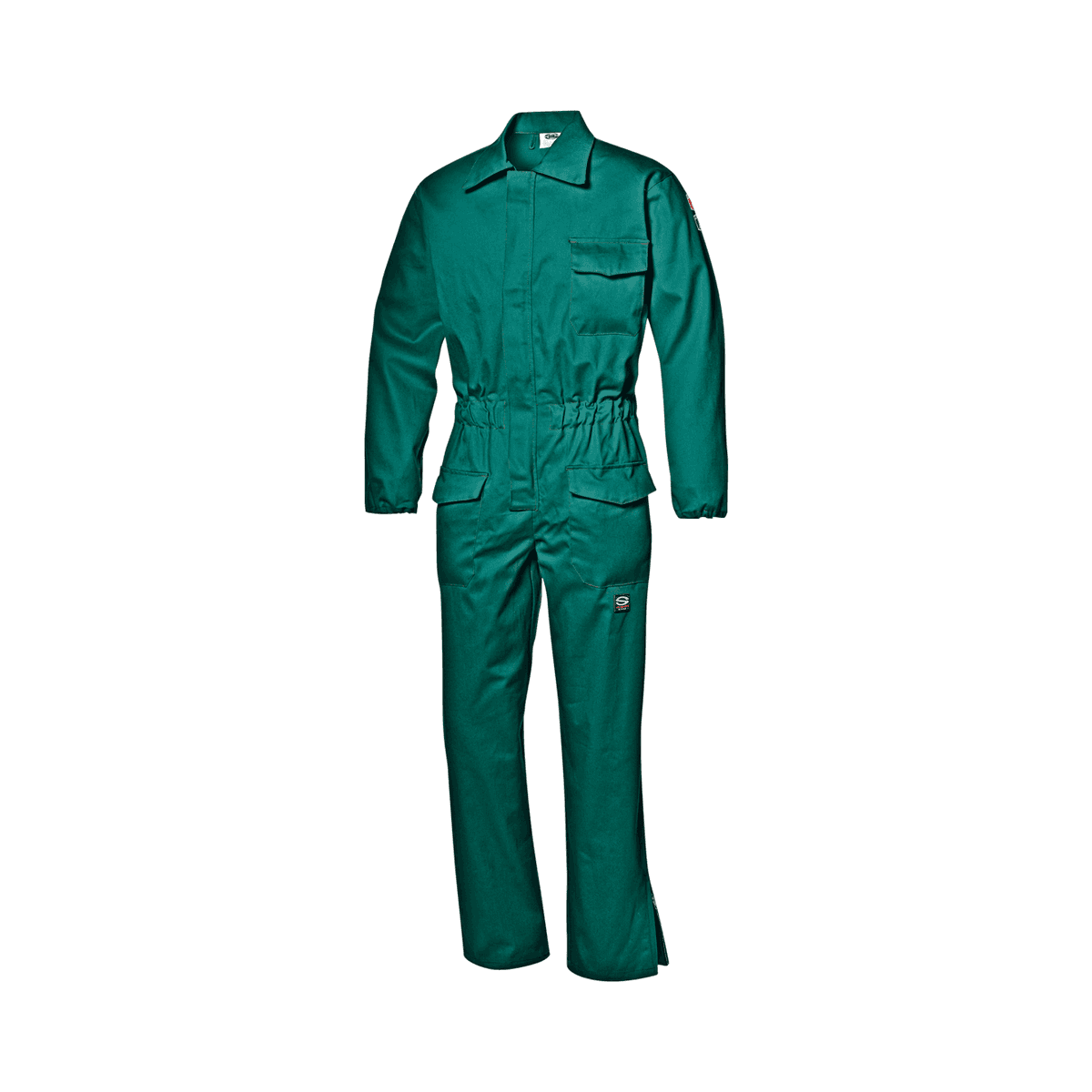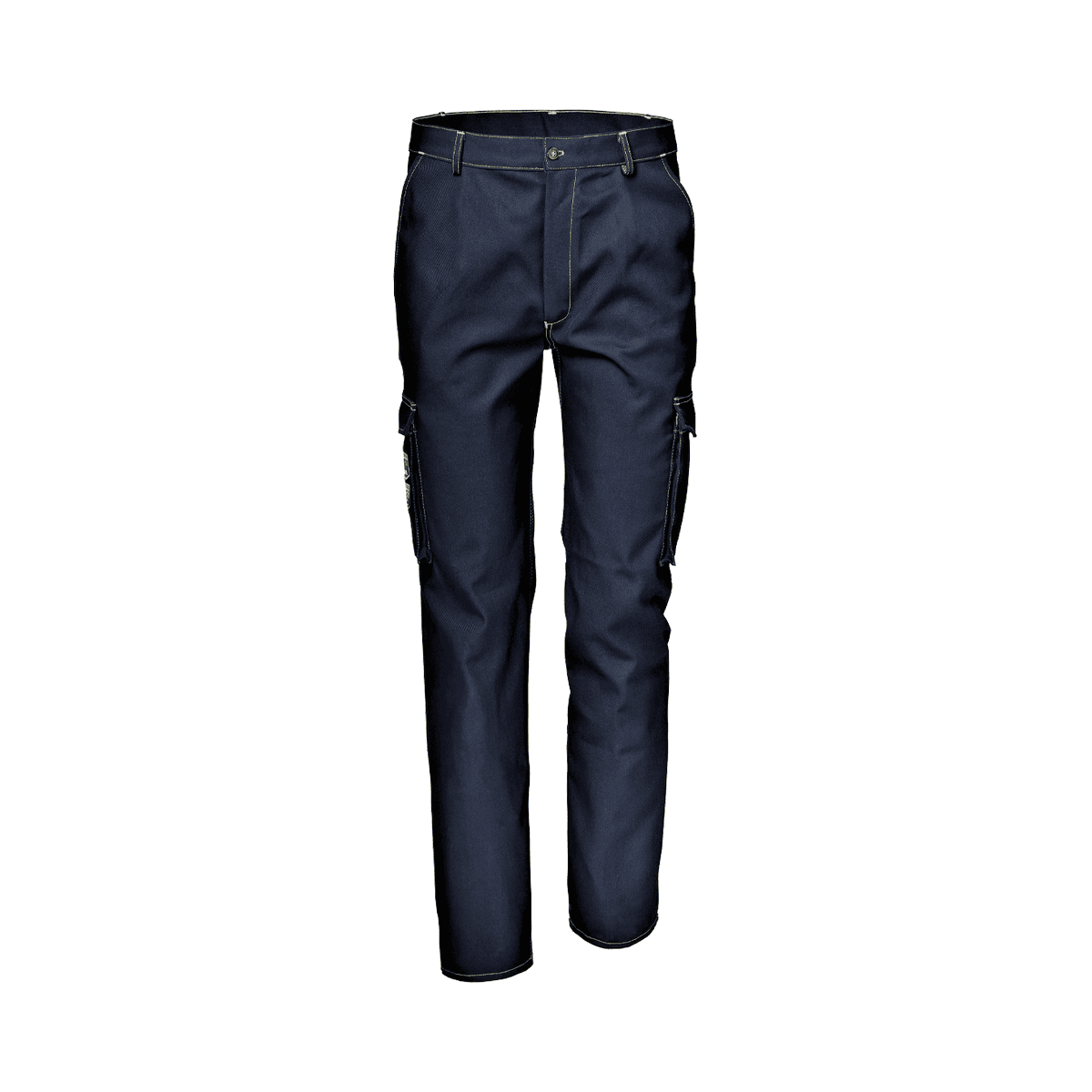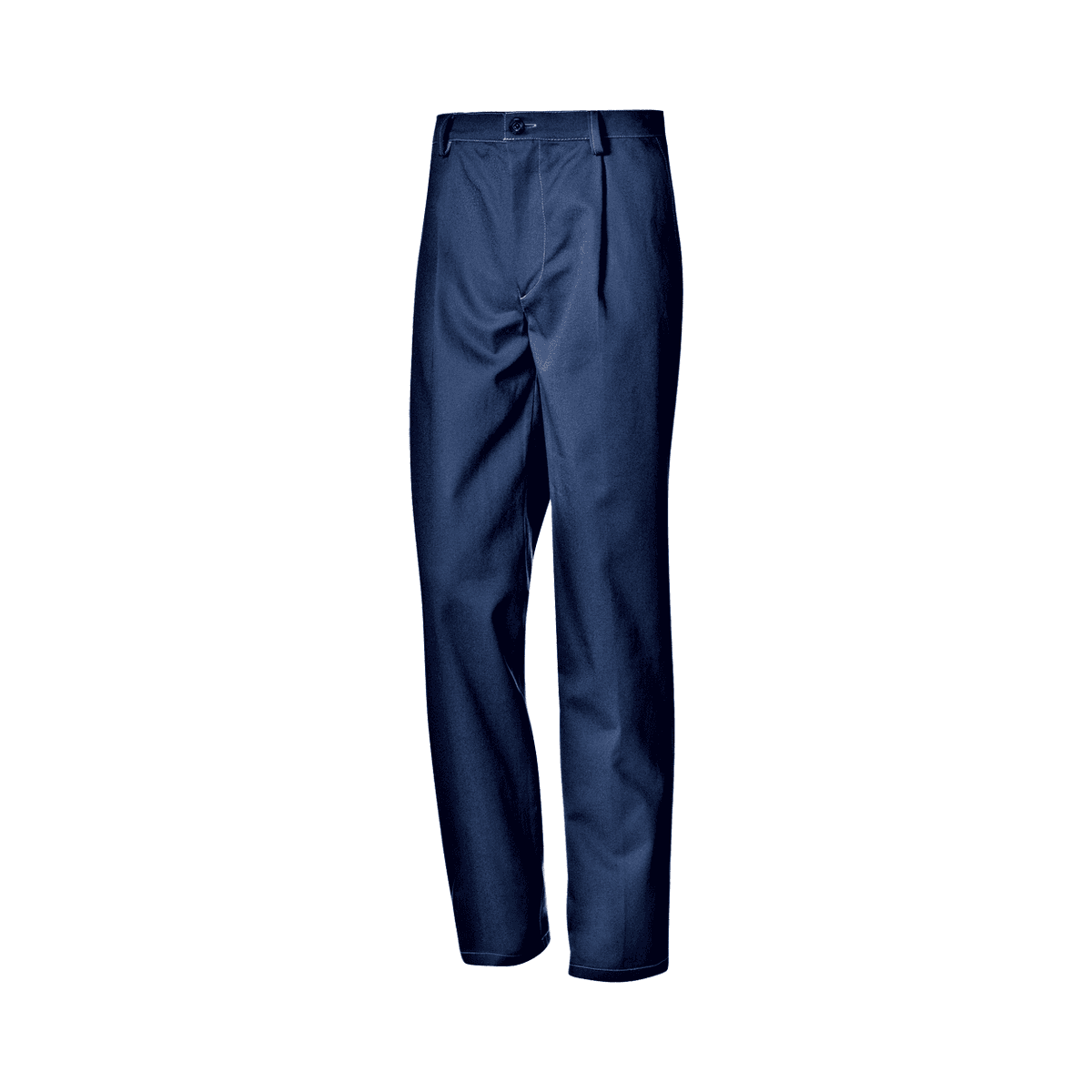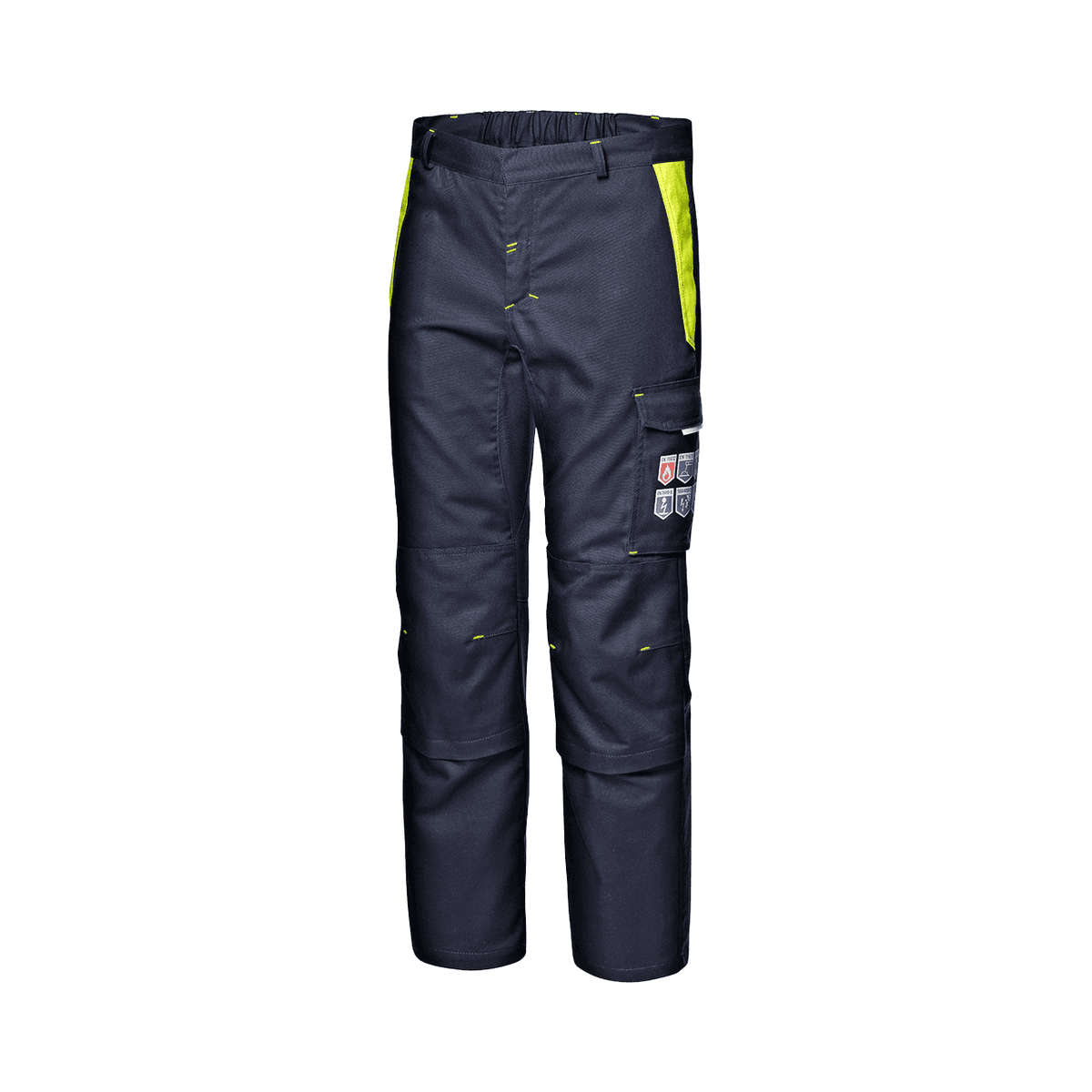
EN ISO 11612 sets the requirements for clothing protecting against heat and flame. It is the foundation of multinorm workwear — the clothing worn in oil and gas, metallurgy and the power industry.
The mandatory base requirement: A
Every EN ISO 11612 garment must meet the limited flame spread requirement. There are two options: A1 (surface ignition, ISO 15025 procedure A) and A2 (edge ignition, procedure B). At least one is mandatory.
Optional thermal risks
| Letter | Risk | Levels |
|---|---|---|
| B | Convective heat — flame exposure | B1–B3 |
| C | Radiant heat | C1–C4 |
| D | Molten aluminium splash | D1–D3 |
| E | Molten iron splash | E1–E3 |
| F | Contact heat | F1–F3 |
The label lists only the letters the garment was tested for — A1+A2 B1 C1 F1, for example. A missing letter means the garment was not assessed for that risk and therefore does not protect against it.
Why the base layer matters
Wearing synthetic underwear (polyester, nylon) beneath flame-resistant outerwear is dangerous: under heat those materials melt and adhere to the skin, greatly worsening burns. The base layer must be cotton, wool or a purpose-made flame-resistant fibre.
Multinorm workwear often carries several standards at once: EN ISO 11612 (heat), EN ISO 11611 (welding), EN 1149-5 (antistatic), EN 13034 (chemical splash), EN 61482-2 (electric arc) and EN ISO 20471 (visibility).