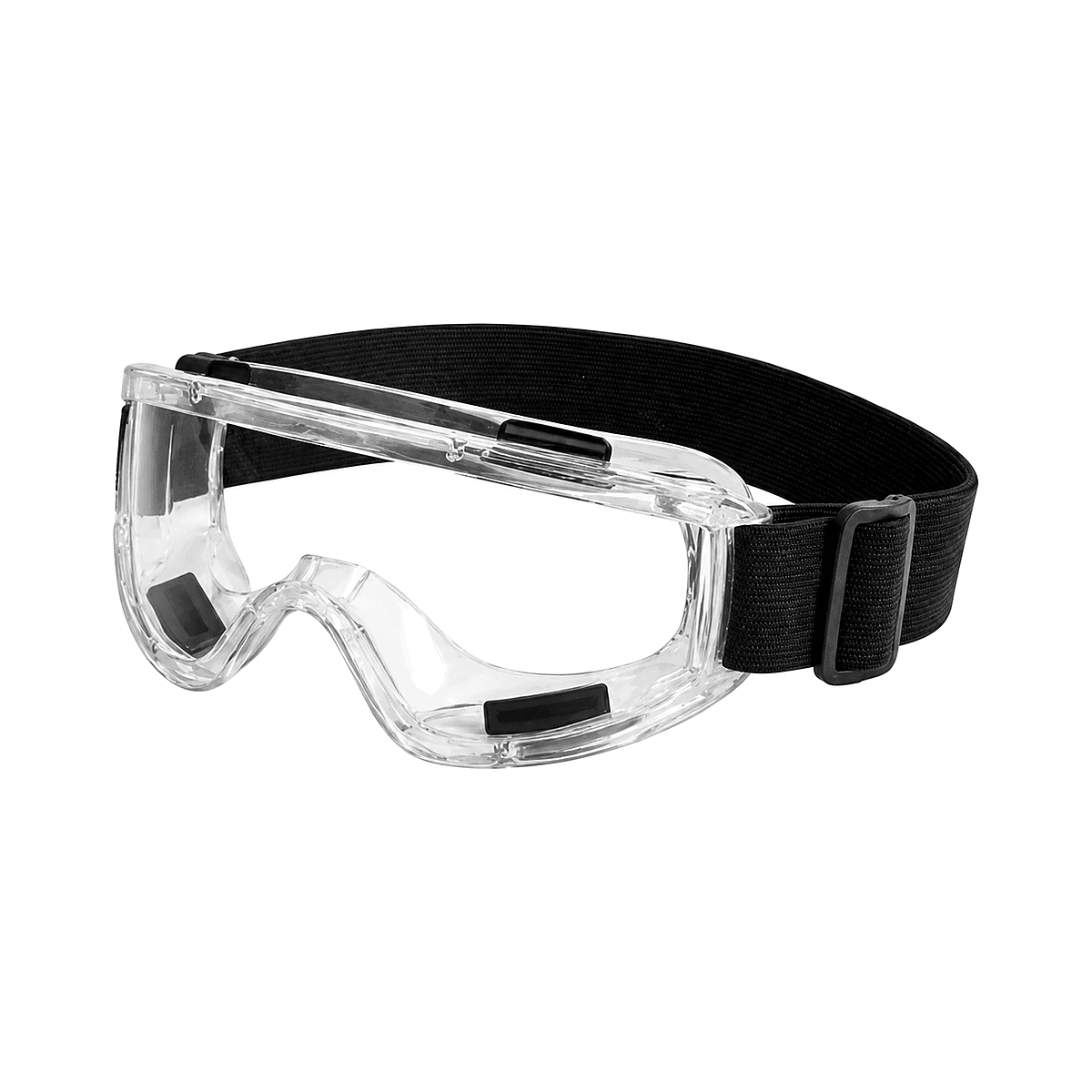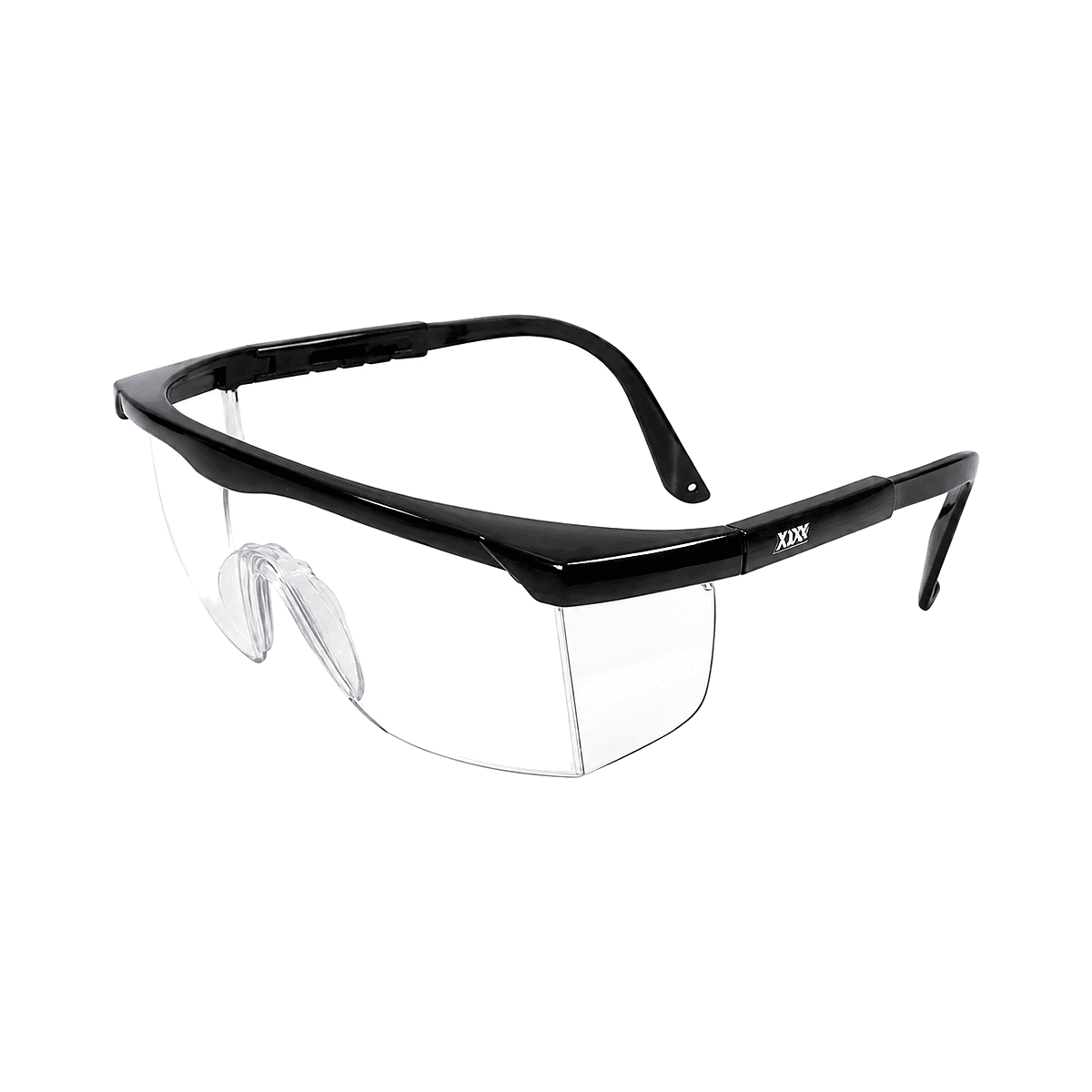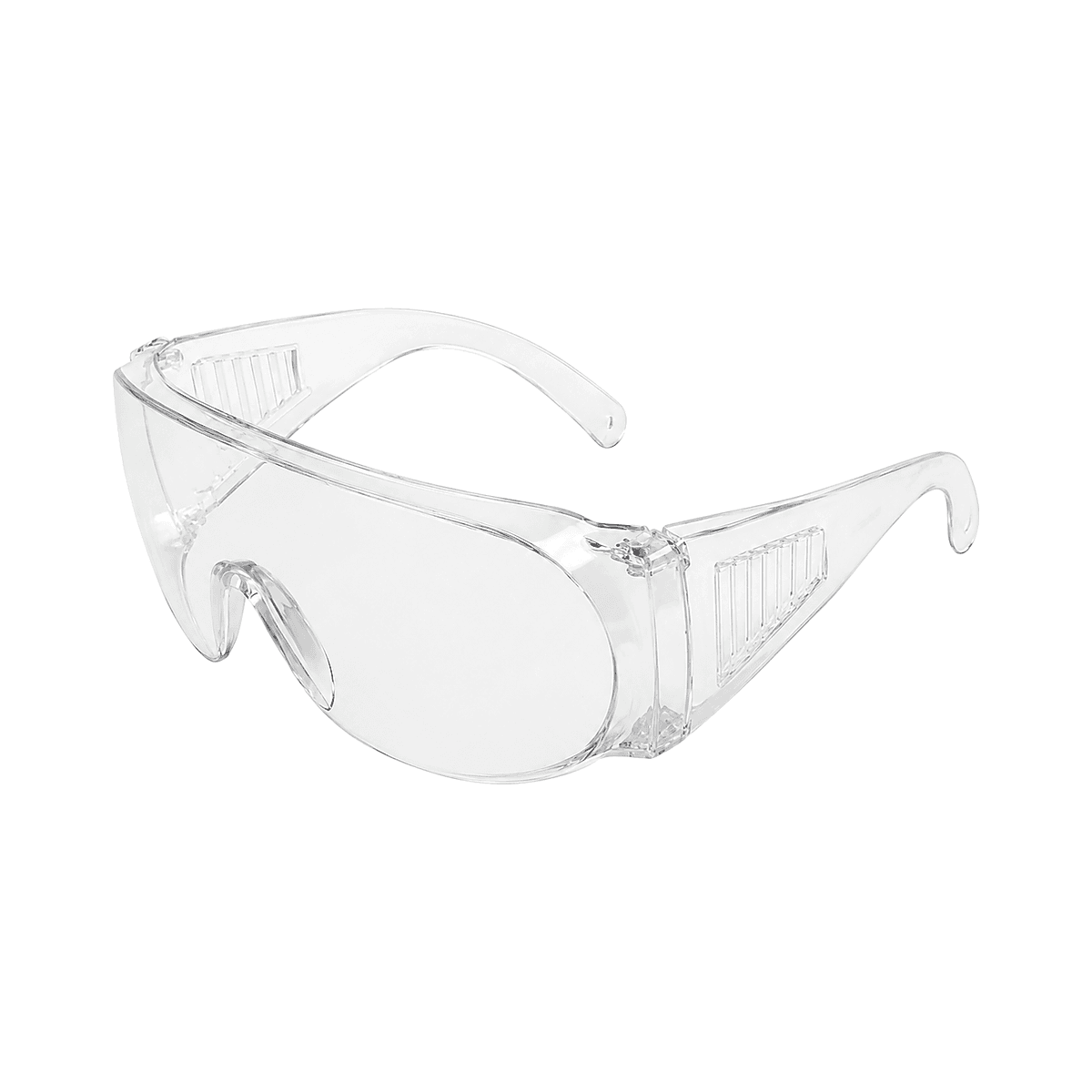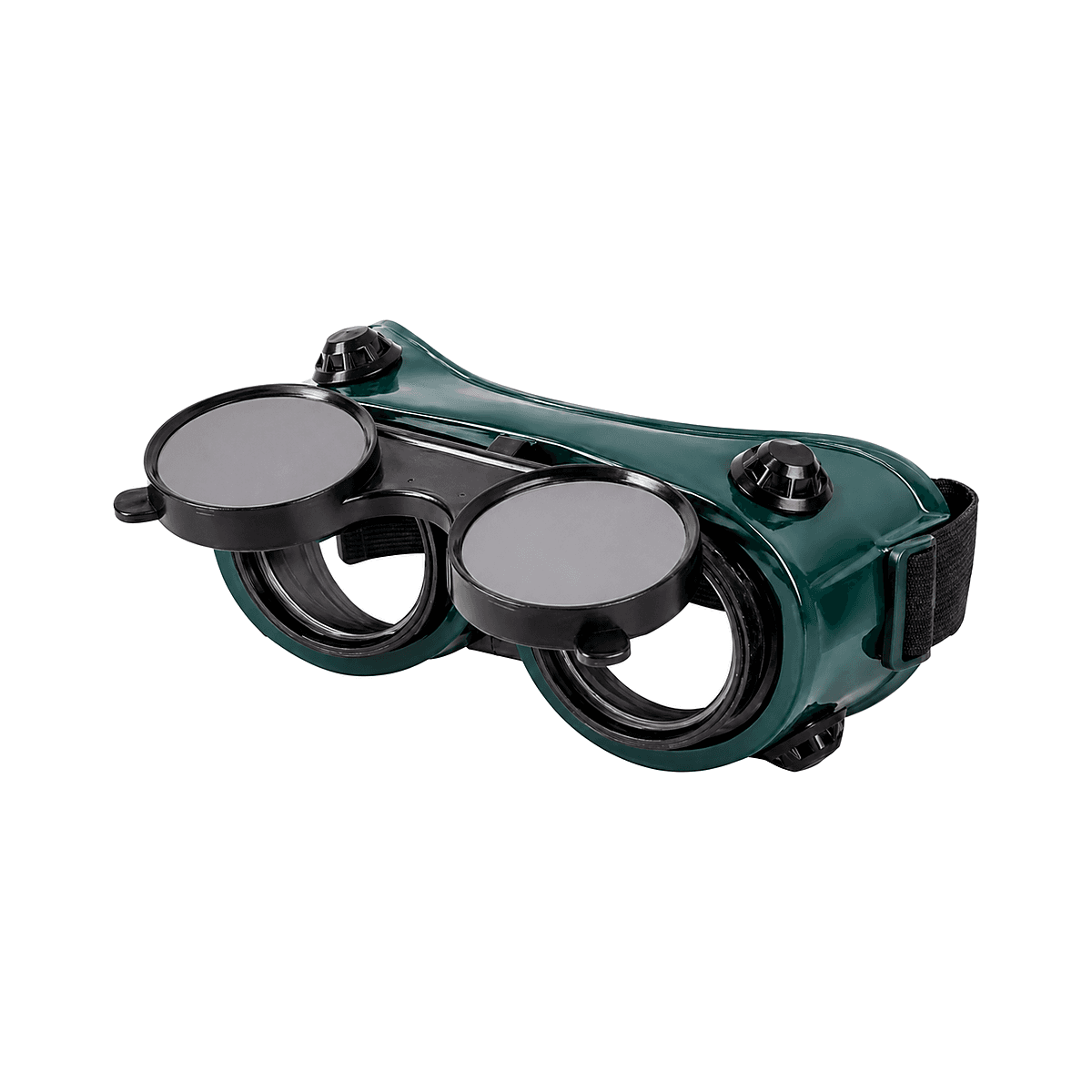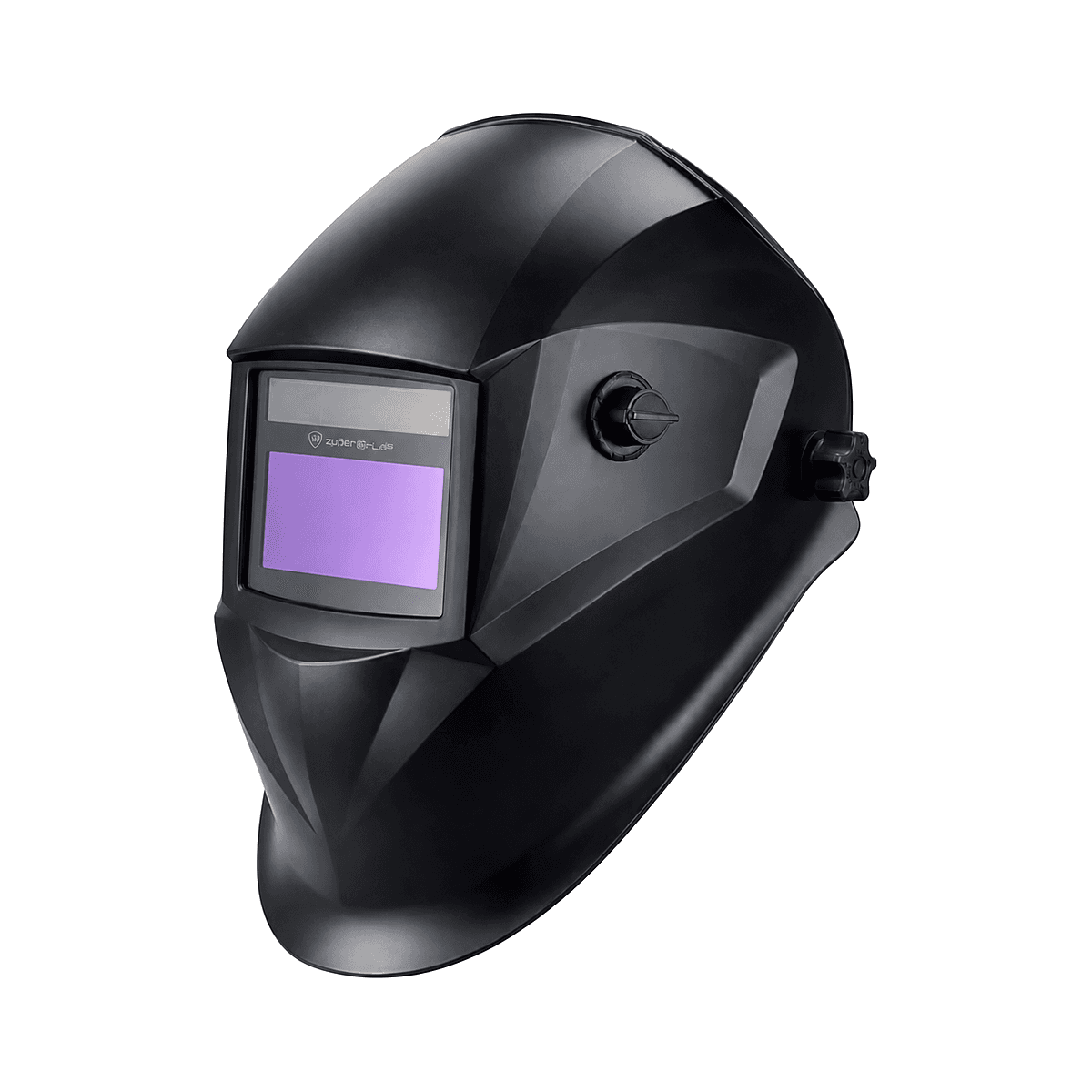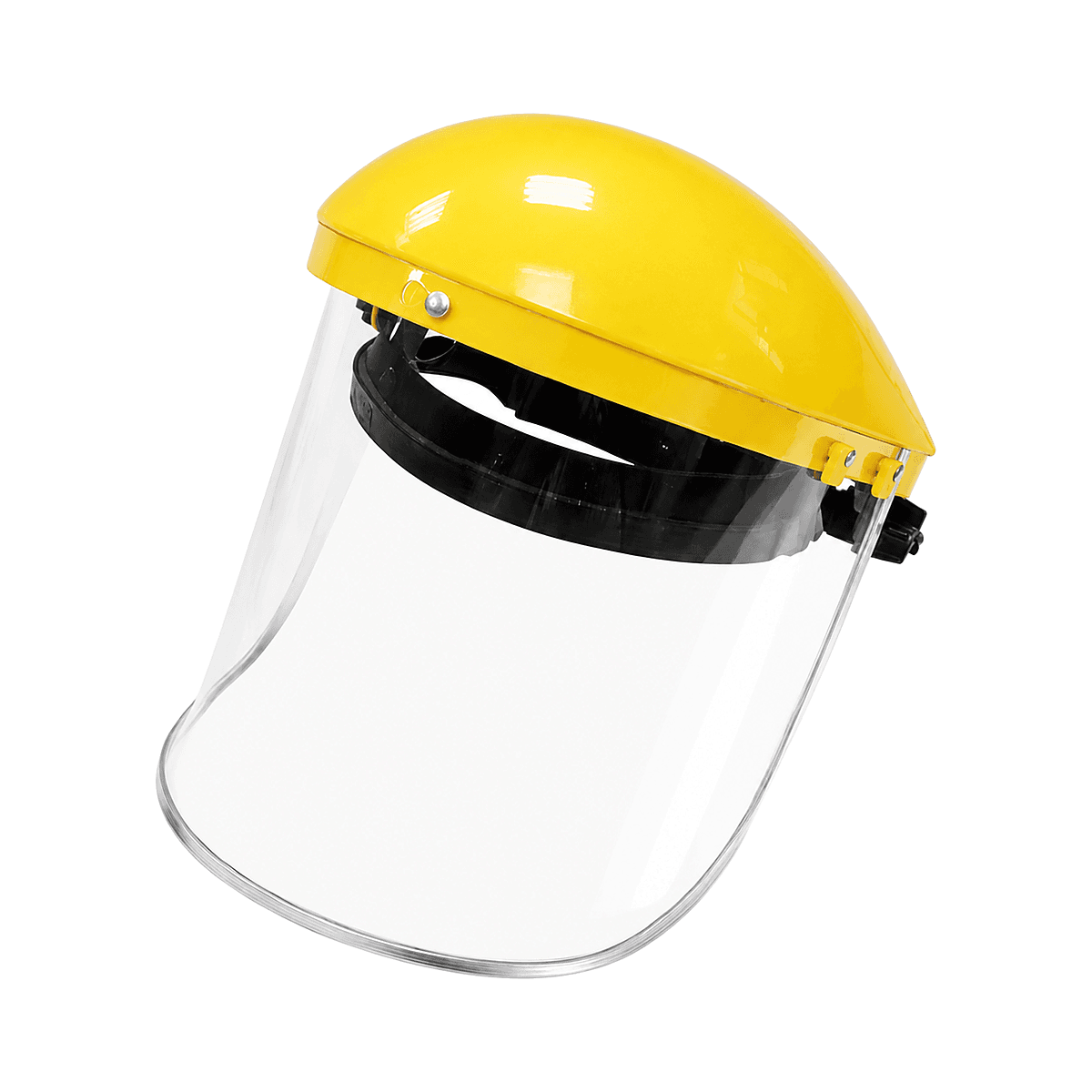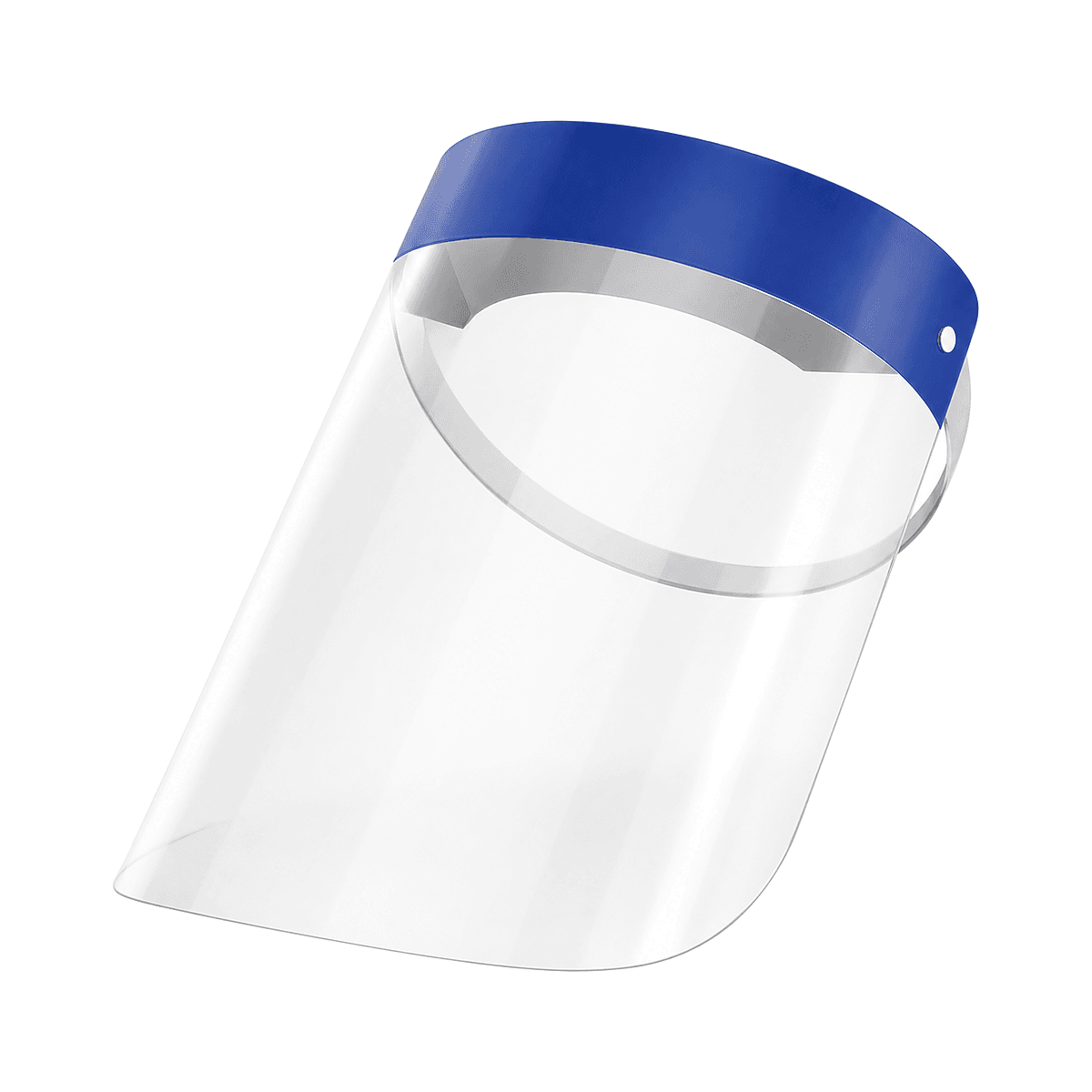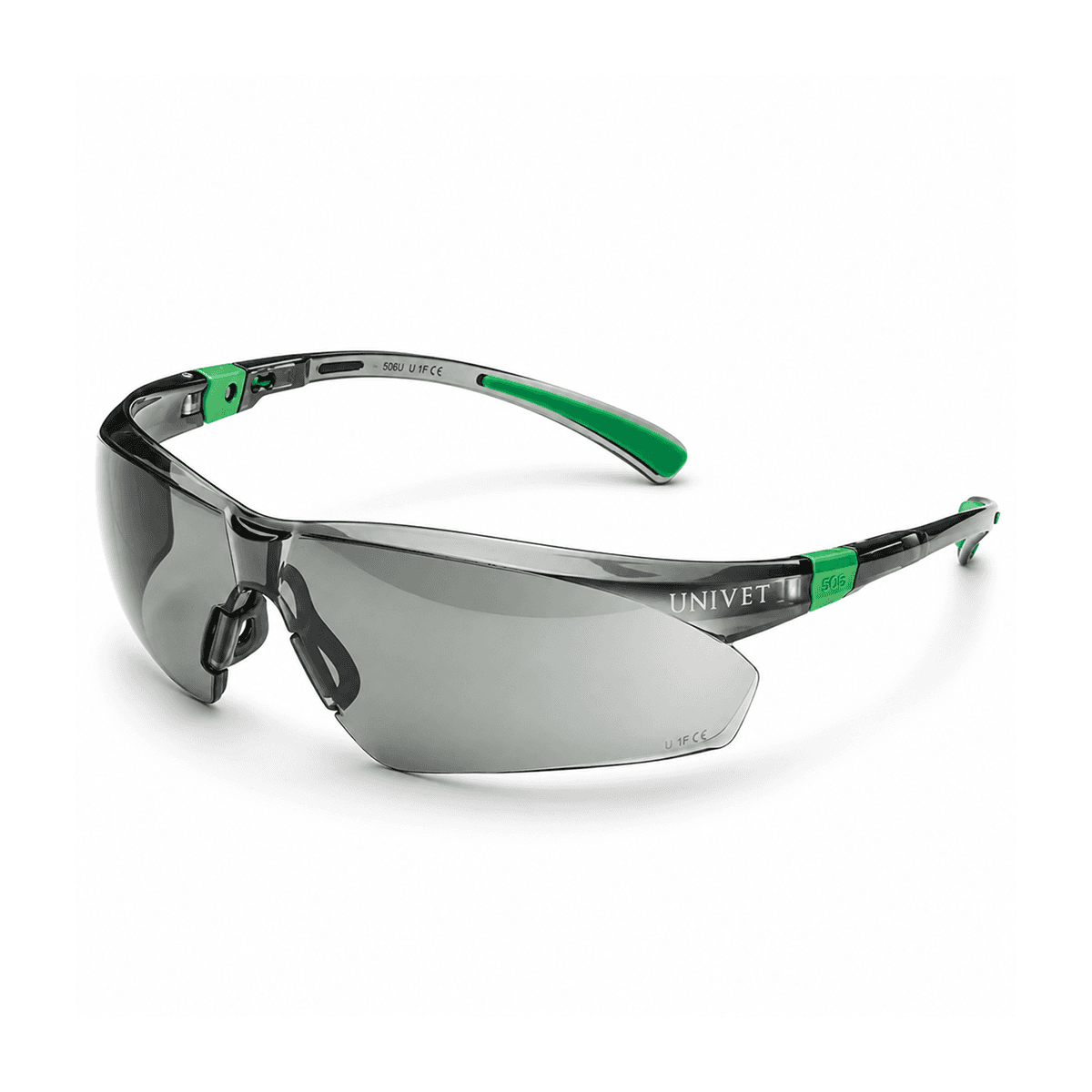
EN 166 is the central eye-protection standard. It does not itself define the optical characteristics of filters (EN 169–172 do that); instead it sets mechanical strength, optical quality, durability and — most usefully in practice — the marking system that lets you read a pair of safety glasses.
How to read the marking
The marking appears in two places: on the lens and on the frame. The lens carries the filter code and manufacturer identifier first, then the optical class and any additional symbols. For example 2C-1.2 GL 1 FT KN — a UV filter of shade 1.2, manufacturer GL, optical class 1, low-energy impact at extreme temperatures, resistant to scratching and fogging.
Mechanical strength symbols
| Symbol | Meaning | Test |
|---|---|---|
| (none) | Minimum robustness | 22 mm ball at 5.1 m/s |
| S | Increased robustness | 22 mm ball, 5.1 m/s, 100 g |
| F | Low-energy impact | 6 mm ball at 45 m/s |
| B | Medium-energy impact | 6 mm ball at 120 m/s |
| A | High-energy impact | 6 mm ball at 190 m/s |
If the symbol is followed by T (FT, BT, AT) the item also passed the impact test at extreme temperatures (−5 °C and +55 °C). The strength symbol must appear on both lens and frame — if they differ, the lower one governs the assembly.
Field-of-use symbols (on the frame)
- 3
- Liquids — droplets and splashes
- 4
- Coarse dust particles (>5 μm)
- 5
- Gas and fine dust particles (<5 μm)
- 8
- Short-circuit electric arc
- 9
- Molten metal and hot solids
Optical class
- Class 1 — the highest optical quality, suitable for continuous wear throughout the working day.
- Class 2 — intermediate quality, suitable for intermittent use.
- Class 3 — for occasional use only; not suitable for prolonged wear.
Additional quality symbols
- K
- Resistance to surface damage by fine particles (anti-scratch)
- N
- Resistance to fogging (anti-fog)
- R
- Enhanced reflectance of infrared radiation
- H
- Designed for a small head