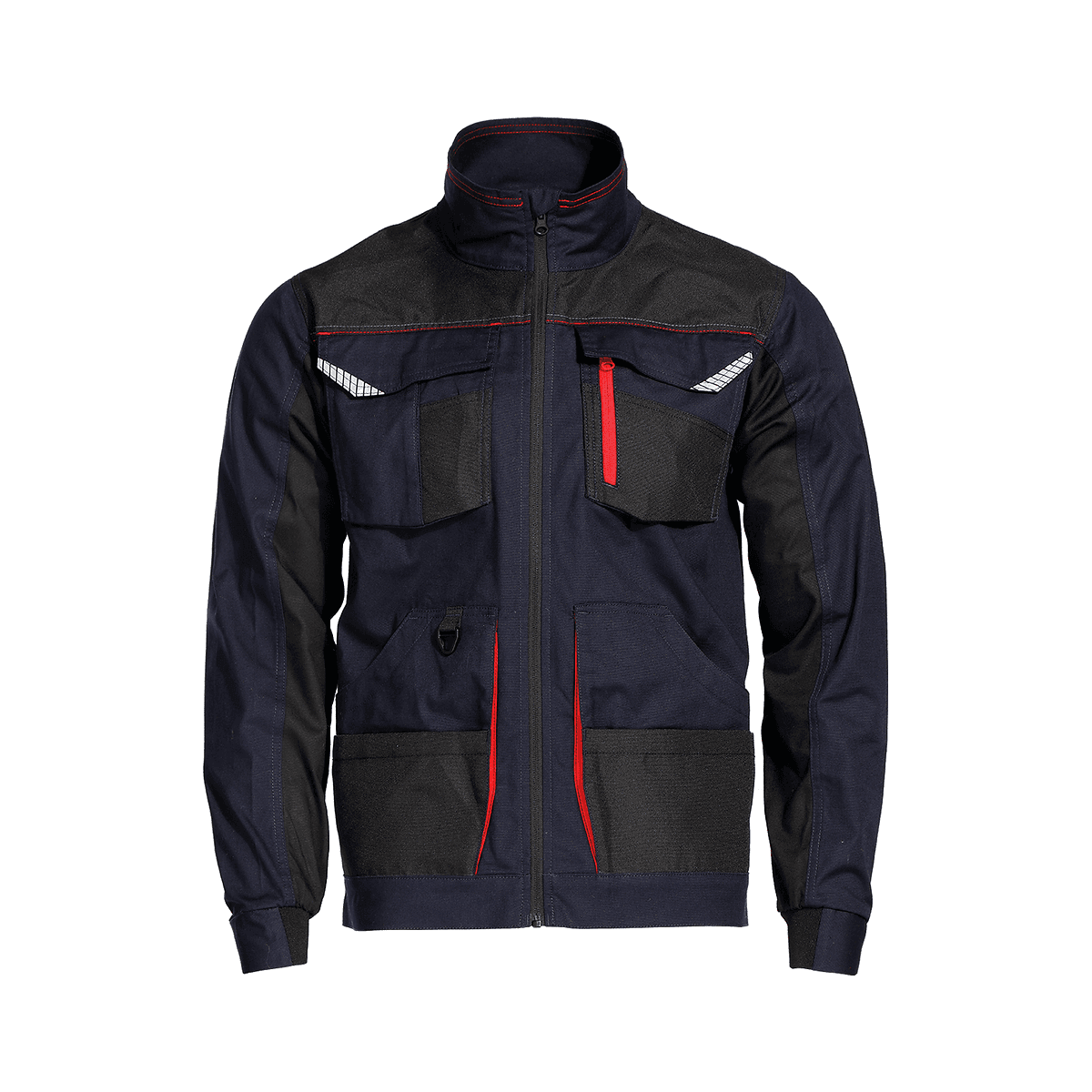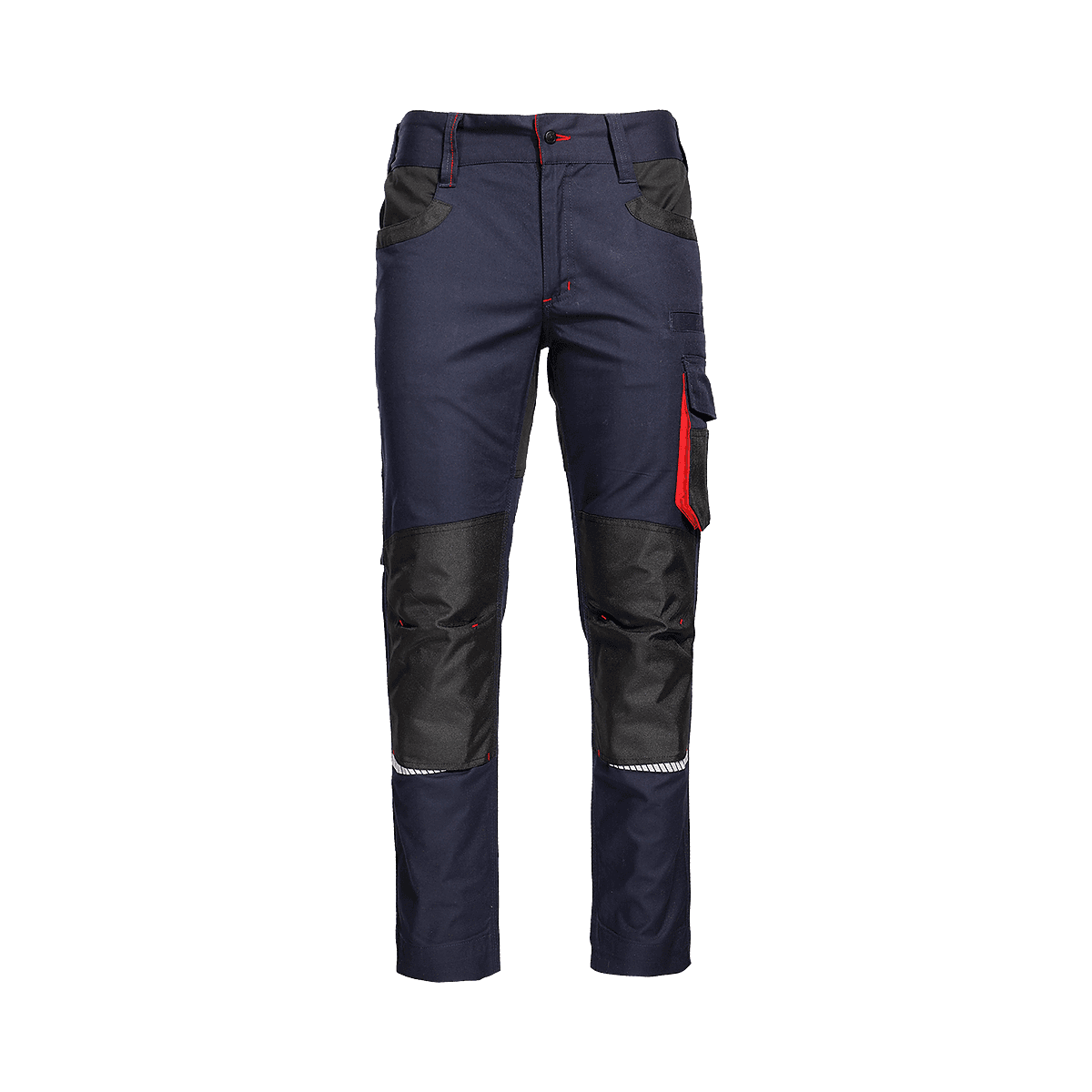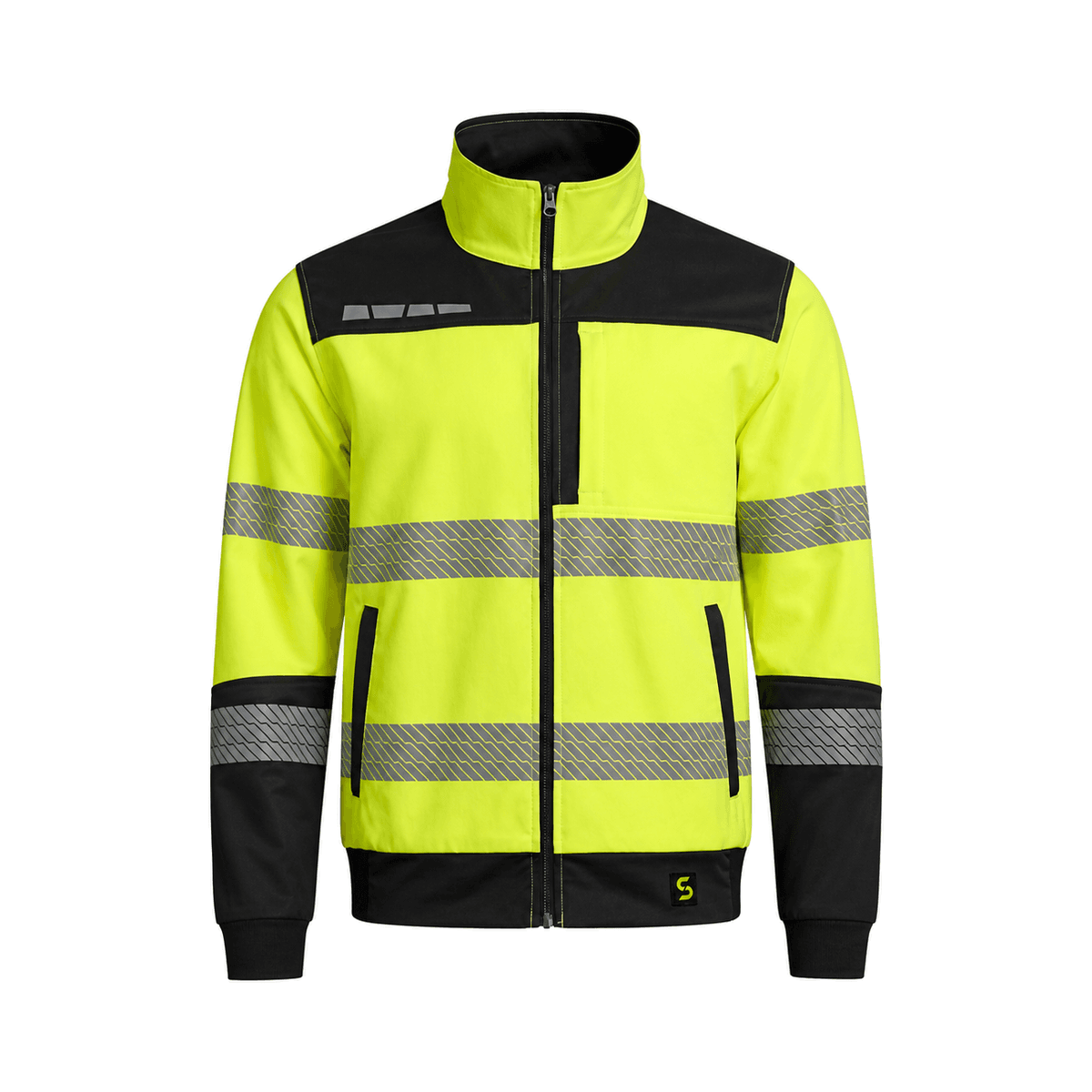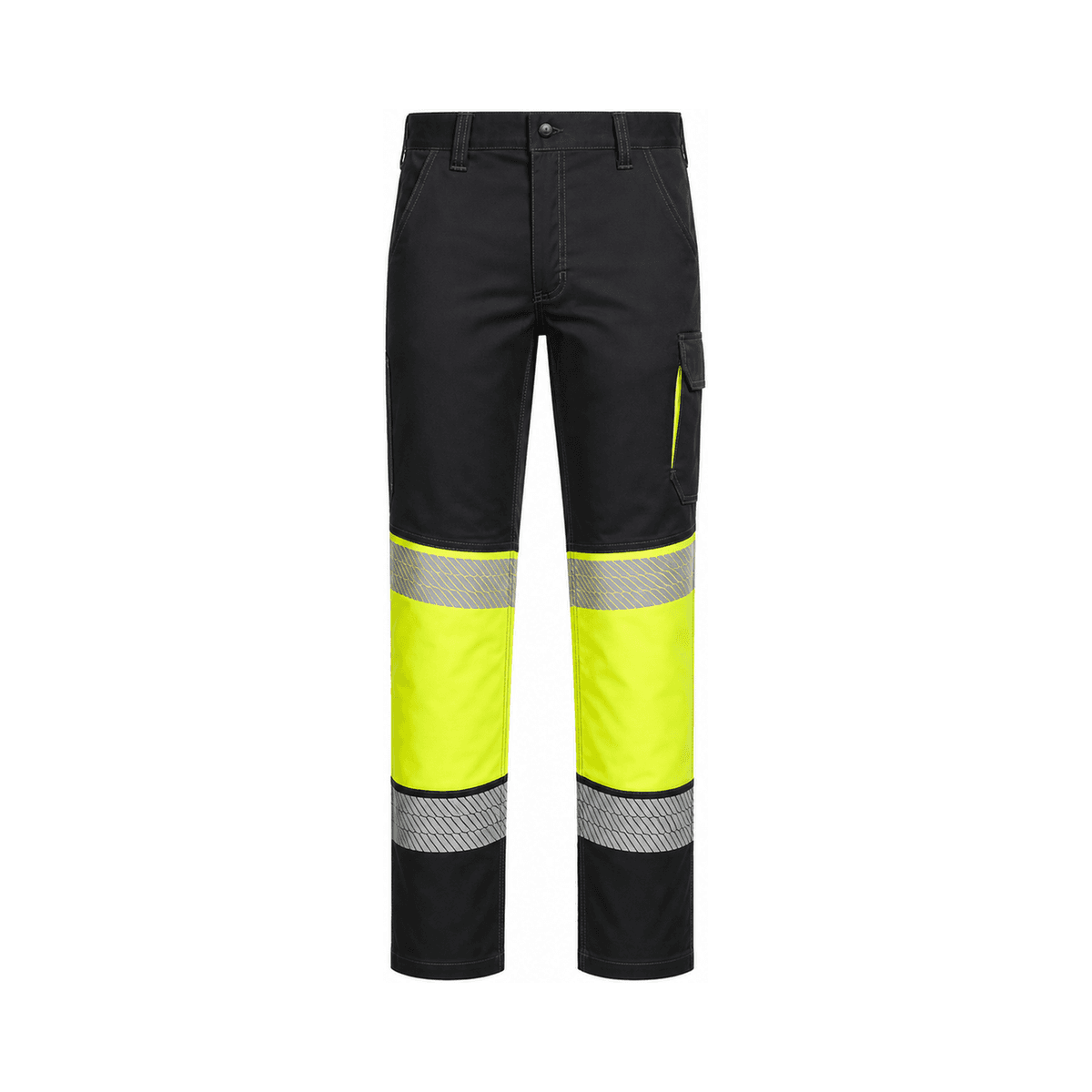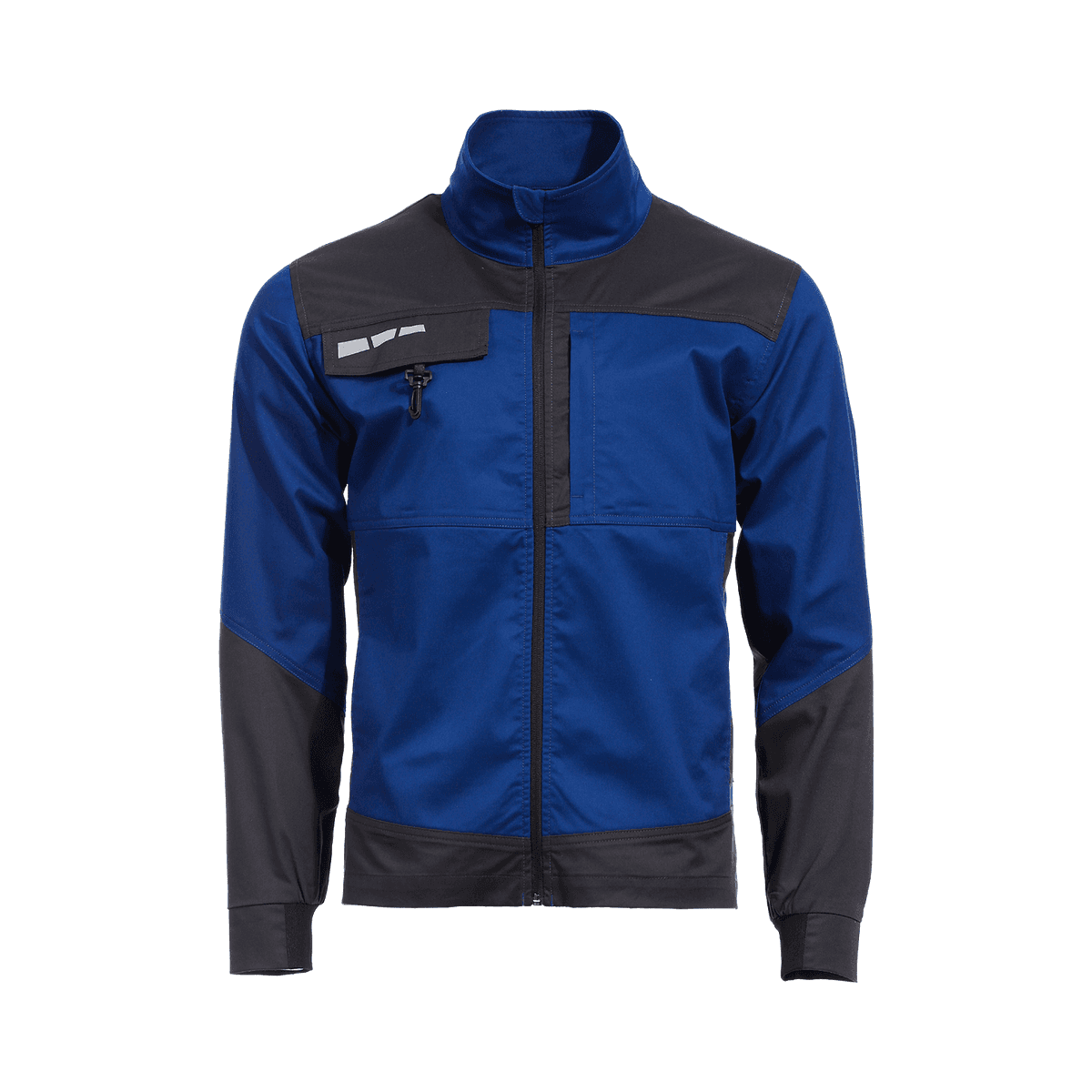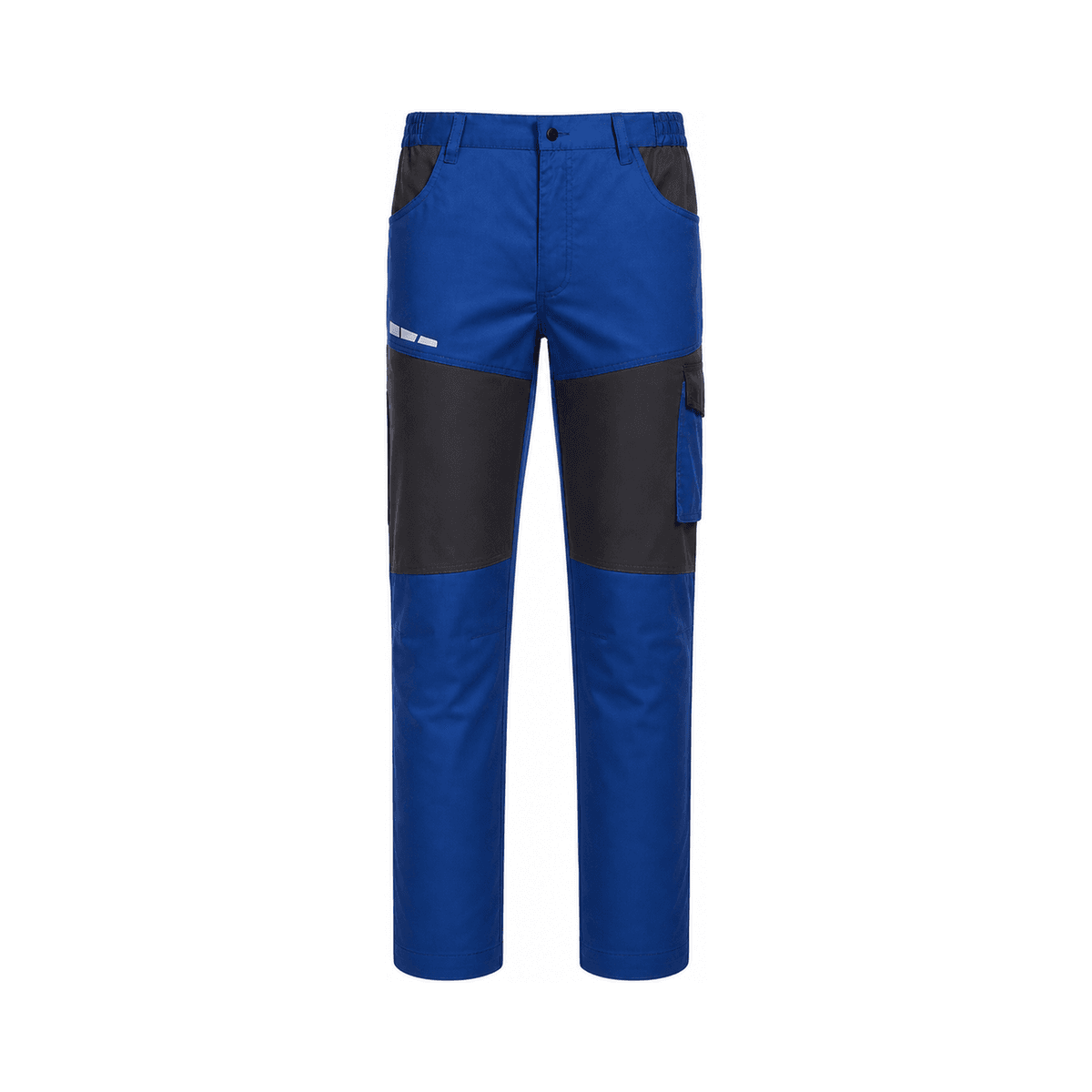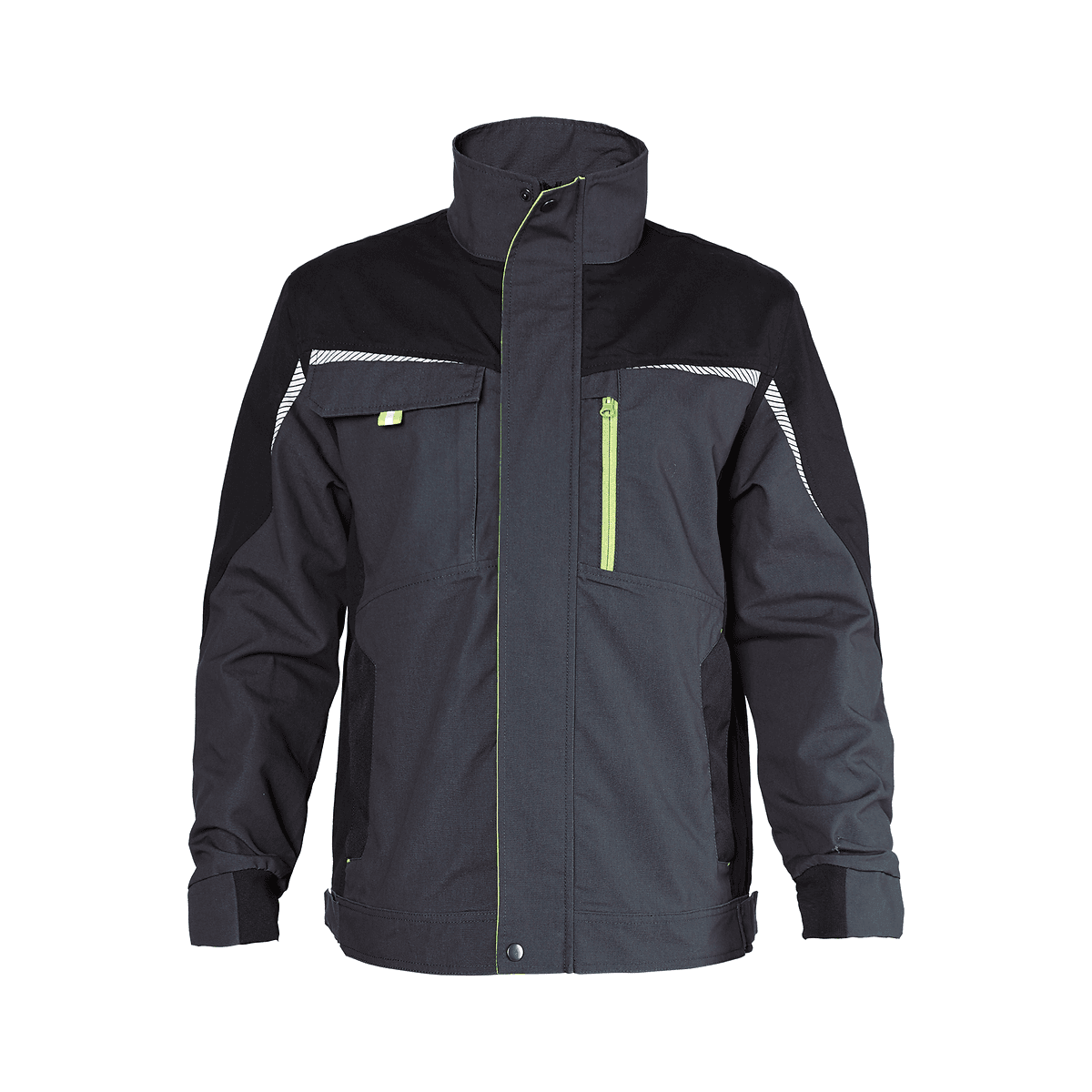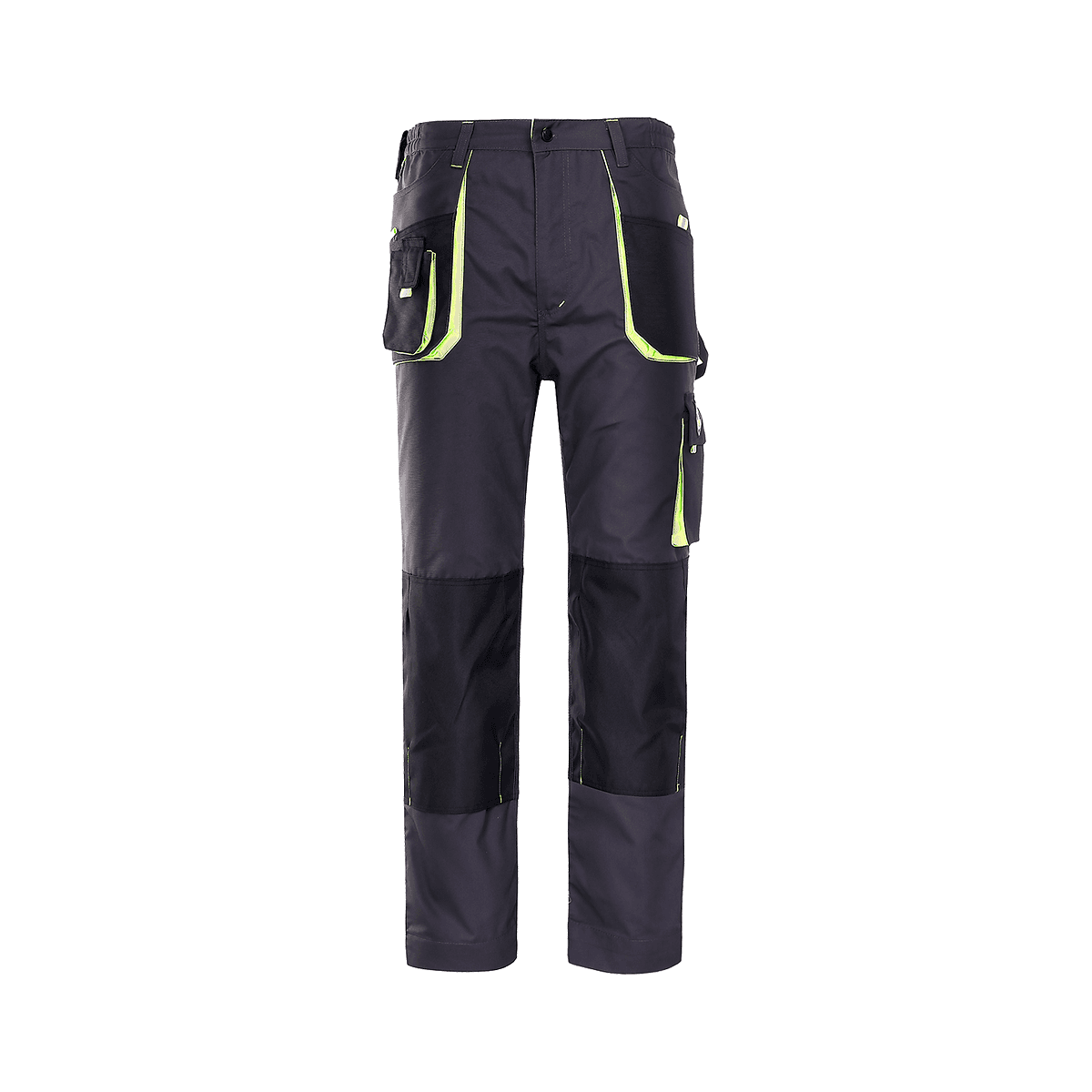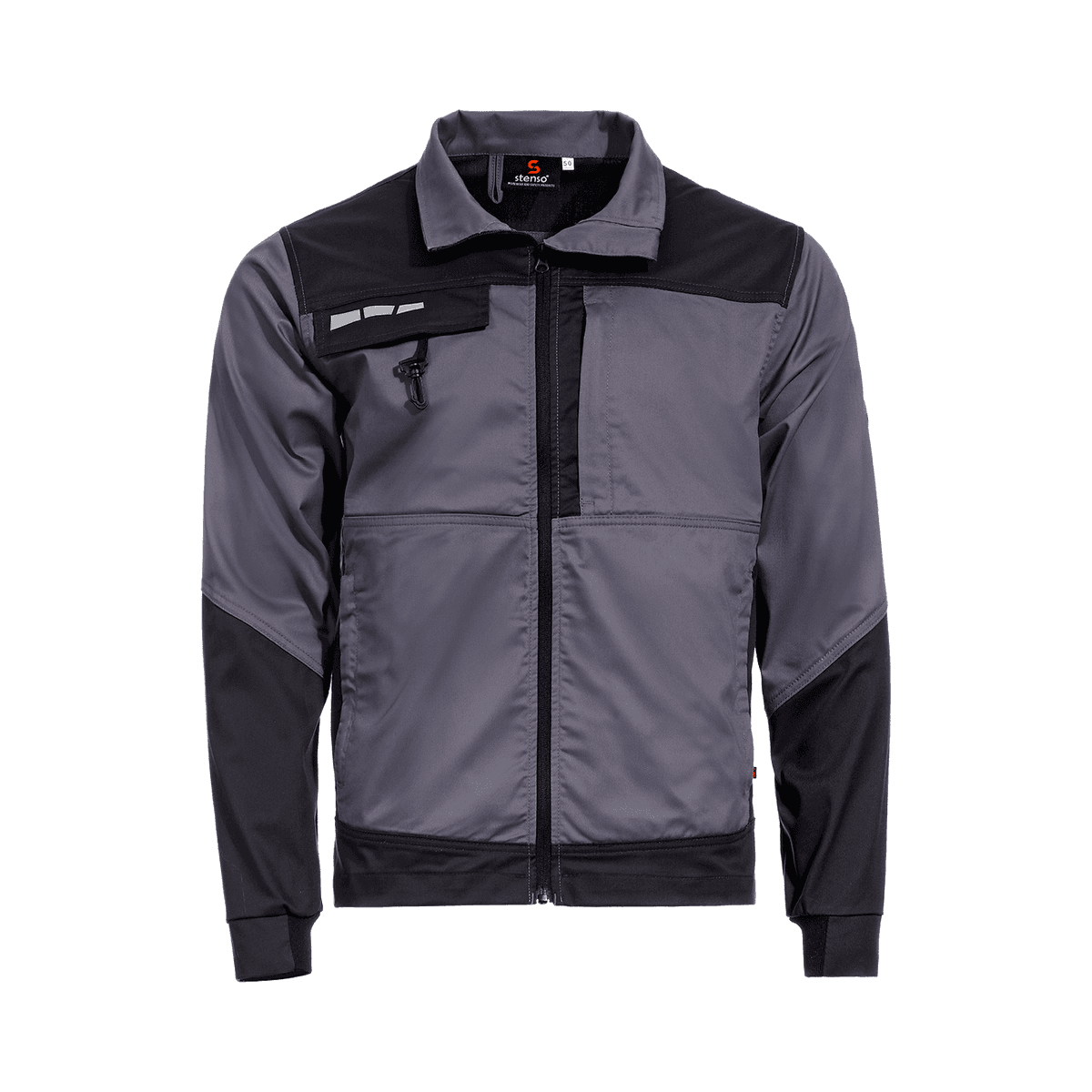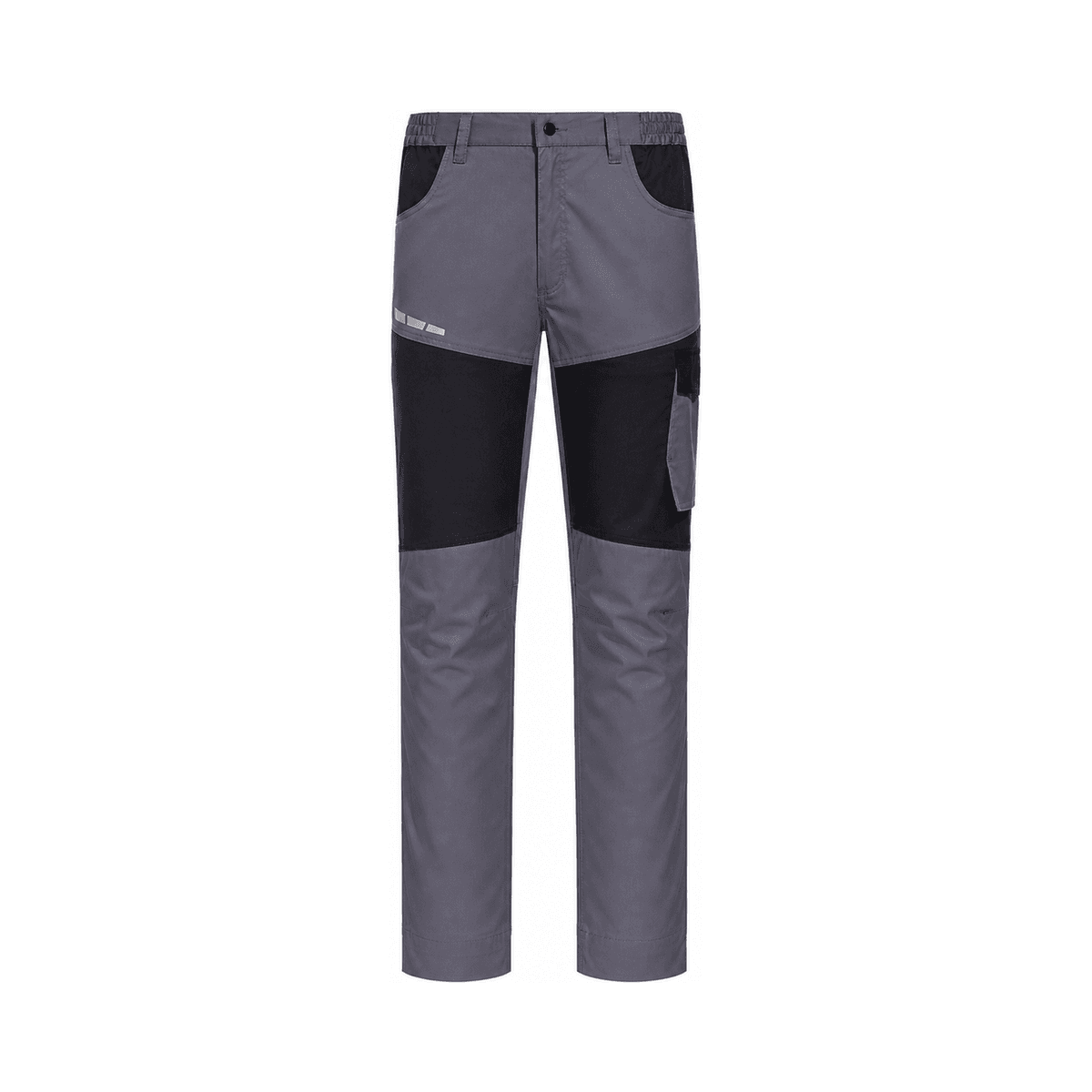
EN ISO 13688 is a horizontal standard — it is never used on its own and does not by itself define a level of protection. Its role is to set the common requirements every item of protective clothing must satisfy before a risk-specific standard (say EN ISO 11612 for heat or EN ISO 20471 for visibility) is layered on top.
What it covers
- Innocuousness — materials must not release substances that irritate the skin or harm health; pH and chromium (VI) content are limited.
- Ergonomics — the garment must not restrict movement more than the protection requires and must suit the working posture it is designed for.
- Size designation — a single system based on body measurements (chest/waist girth, height), shown on the label as a pictogram.
- Ageing — the protective performance must survive the declared number of wash or dry-clean cycles.
- Compatibility — where the garment is part of an ensemble, the individual items must work together without losing protection.
Marking
Every item carries a durable label with the manufacturer's name, product identification, size, care pictograms, the CE mark, the standards applied and the performance levels achieved. The label must be accompanied by user instructions in the official language of the country of sale.
The standard maps directly onto Regulation (EU) 2016/425 — in practice CE marking of protective clothing is not achievable without meeting EN ISO 13688.